

The Complete Guide to Desktop House Valuation in 2025
Imagine discovering the true value of your property without ever leaving your home office. Desktop house valuation has revolutionized how property owners, investors, and professionals assess real estate values, transforming what once required lengthy site visits into efficient digital processes that deliver accurate results in minutes rather than days.
Desktop house valuation represents a fundamental shift in property assessment methodology, leveraging advanced technology, comprehensive databases, and sophisticated algorithms to provide reliable property valuations remotely. This innovative approach has become increasingly vital in 2025’s fast-paced real estate market, where quick decisions and accurate information drive successful transactions.
Key Takeaways
• Desktop valuations offer speed and efficiency – Complete property assessments in hours rather than weeks through remote analysis
• Cost-effective alternative – Significantly lower fees compared to traditional physical surveys while maintaining professional accuracy standards
• Technology-driven accuracy – Advanced algorithms and comprehensive data sources provide reliable valuations for most property types
• Multiple applications – Suitable for mortgage applications, insurance purposes, estate planning, and investment decisions
• Professional oversight required – Qualified surveyors ensure compliance with industry standards and regulatory requirements
Understanding Desktop House Valuation Fundamentals
What is Desktop House Valuation? 🏠
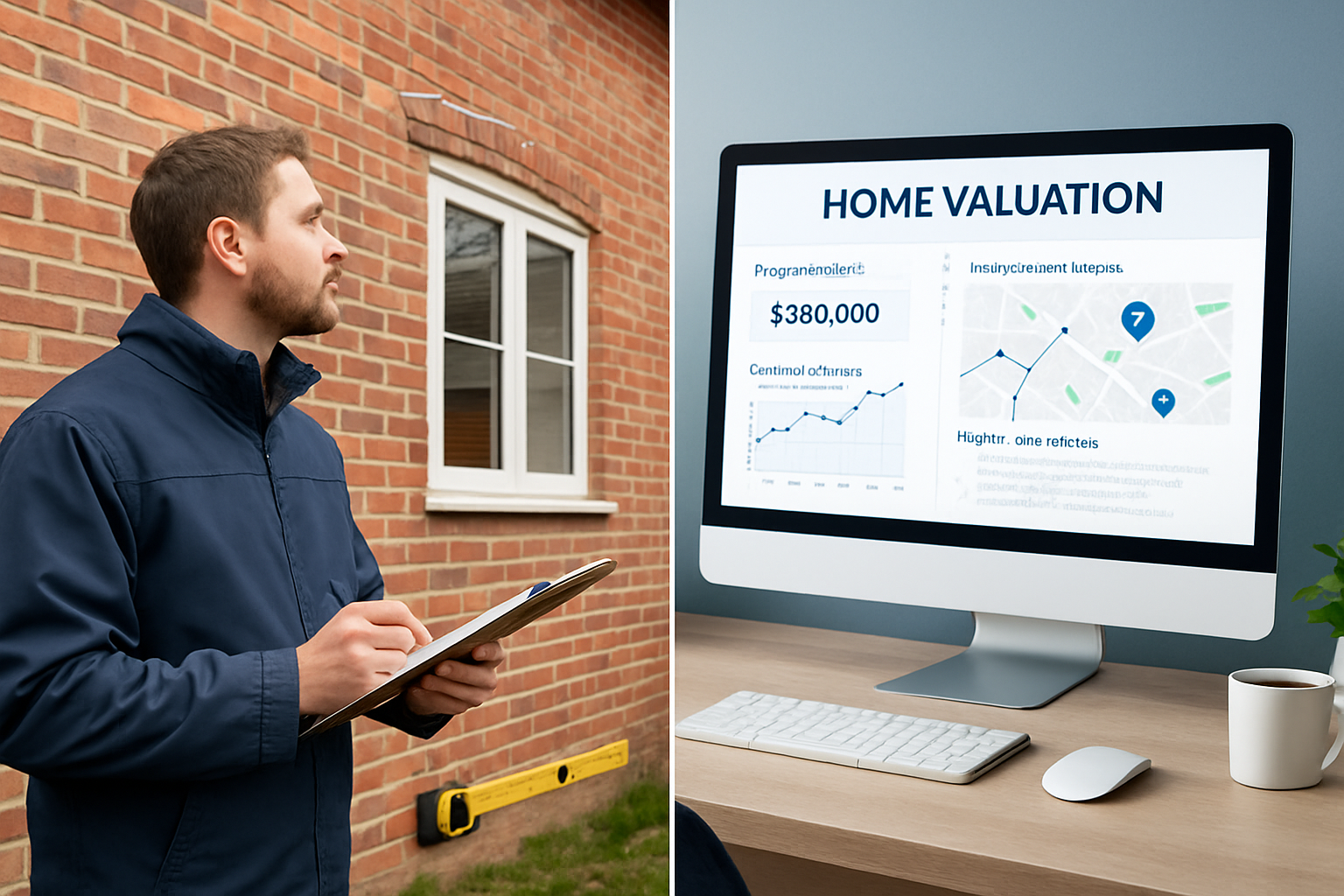
Desktop house valuation is a remote property assessment method that determines a property’s market value without requiring a physical inspection. Professional surveyors analyze available data sources, including recent sales comparables, property records, aerial imagery, and market trends to establish accurate valuations.
This methodology has gained significant traction among professional property surveyors who recognize its efficiency while maintaining the rigorous standards expected in property assessment. The process combines human expertise with technological tools to deliver comprehensive valuation reports that meet industry requirements.
Key components of desktop valuations include:
- Comparative Market Analysis (CMA) – Analyzing similar properties sold recently in the area
- Property Records Review – Examining official documentation, planning permissions, and historical data
- Market Trend Analysis – Understanding local and regional property market movements
- Risk Assessment – Identifying potential issues that might affect property value
- Technology Integration – Utilizing mapping software, databases, and valuation platforms
The Evolution of Property Valuation Methods
Traditional property valuations required surveyors to physically visit properties, measuring rooms, assessing condition, and documenting features firsthand. While this approach remains valuable for complex properties, desktop valuations have emerged as a viable alternative for straightforward residential assessments.
The shift toward remote valuations accelerated significantly during recent years, driven by technological advances and market demands for faster turnaround times. Professional bodies now recognize desktop valuations as legitimate assessment methods when conducted by qualified practitioners following established protocols.
“Desktop valuations represent the perfect balance between efficiency and accuracy for standard residential properties, allowing us to serve clients faster without compromising professional standards.” – Senior Property Valuer
The Desktop House Valuation Process Explained
Step-by-Step Methodology
The desktop house valuation process follows a structured approach that ensures consistency and reliability across different properties and market conditions. Understanding this methodology helps property owners appreciate the thoroughness behind seemingly simple remote assessments.
1. Initial Property Identification 📋
Surveyors begin by gathering basic property information including address, property type, approximate size, and any special characteristics. This foundational data guides the entire valuation process.
2. Data Collection and Analysis
Professional valuers access multiple databases and information sources:
- Land Registry records for recent sales data
- Ordnance Survey mapping for property boundaries
- Planning portal searches for development history
- Local authority records for council tax banding
- Estate agent listings for current market activity
3. Comparable Property Selection
Identifying suitable comparable properties requires expertise in understanding local market nuances. Valuers select properties that share similar characteristics:
- Location proximity (typically within 0.5-1 mile radius)
- Property type and size (similar bedrooms, bathrooms, floor area)
- Age and construction (matching architectural periods and building materials)
- Recent sales timing (preferably within 6-12 months)
4. Market Adjustment Calculations
Raw comparable data requires adjustment to reflect differences between properties. Experienced valuers apply percentage adjustments for factors like:
- Property condition variations
- Garden size and parking availability
- Improvement levels and modernization
- Location premiums within neighborhoods
Technology and Tools Used
Modern desktop house valuation relies on sophisticated technology platforms that enhance accuracy and efficiency. Professional surveyors utilize industry-standard software that integrates multiple data sources into comprehensive analysis tools.
Essential technology components include:
| Technology Type | Purpose | Benefits |
|---|---|---|
| Valuation Software | Automated comparable analysis | Speed, consistency, audit trails |
| GIS Mapping | Location analysis and boundaries | Visual context, proximity measurements |
| Database Access | Historical sales and market data | Comprehensive information, trend analysis |
| Aerial Imagery | Property visualization | Remote inspection capabilities |
| Market Intelligence | Current listing and pricing trends | Real-time market awareness |
The best London property valuation practices demonstrate how technology integration enhances traditional surveying expertise rather than replacing professional judgment.
Benefits and Limitations of Desktop House Valuation
Advantages of Remote Property Assessment
Desktop house valuation offers compelling benefits that make it attractive for various property-related scenarios. These advantages have contributed to its growing acceptance among lenders, insurers, and property professionals.
Speed and Efficiency ⚡
Traditional valuations can take 1-2 weeks from instruction to report delivery. Desktop valuations typically complete within 24-48 hours, enabling faster decision-making for time-sensitive transactions.
Cost-Effectiveness 💰
Reduced overheads from eliminating travel time and site visits translate into lower fees for clients. Desktop valuations typically cost 40-60% less than full physical surveys while maintaining professional standards.
Accessibility and Convenience
Property owners avoid scheduling appointments and providing access to surveyors. This convenience particularly benefits landlords with tenanted properties or busy professionals requiring quick valuations.
Consistent Methodology
Standardized processes reduce variability between different surveyors, providing more consistent results across similar properties. Digital audit trails also enhance quality control and professional accountability.
Understanding the Limitations
While desktop house valuation offers significant advantages, understanding its limitations ensures appropriate application and realistic expectations.
Property Condition Assessment
Remote valuations cannot identify hidden defects, structural issues, or maintenance problems that might affect value. Properties with suspected condition issues may require physical inspection for accurate assessment.
Unique Property Challenges
Non-standard properties, listed buildings, or unusual architectural features may lack sufficient comparable data for reliable desktop analysis. These properties often benefit from specialist surveyor expertise and physical inspection.
Market Data Dependency
Desktop valuations rely heavily on available sales data and market information. In areas with limited transaction activity or rapidly changing markets, data limitations can affect accuracy.
Regulatory Considerations
Some lenders or legal processes may specifically require physical valuations. Understanding when desktop valuations are acceptable versus when traditional surveys are mandatory prevents delays and complications.
Professional surveyors specializing in commercial property assessments often combine desktop analysis with targeted physical inspections for optimal results.
When to Choose Desktop House Valuation
Ideal Scenarios for Remote Assessment
Desktop house valuation works exceptionally well in specific circumstances where property characteristics and client requirements align with remote assessment capabilities. Understanding these scenarios helps property owners make informed decisions about valuation approaches.
Standard Residential Properties 🏘️
Modern houses and apartments built within the last 50 years, particularly those in established residential areas with good comparable sales data, are ideal candidates for desktop valuation. These properties typically follow standard construction methods and layouts that experienced valuers can assess accurately without physical inspection.
Mortgage and Remortgage Applications
Many lenders now accept desktop valuations for straightforward residential mortgages, particularly for properties under £500,000 in well-understood markets. This acceptance has streamlined the mortgage process significantly, reducing approval times from weeks to days.
Insurance Valuations
Insurance companies frequently utilize desktop valuations for policy renewals and coverage assessments. The focus on replacement cost rather than market value makes remote assessment particularly suitable for insurance purposes.
Estate Planning and Probate
Divorce valuations and estate planning often benefit from desktop approaches when quick, cost-effective assessments are required for legal proceedings or tax calculations.
Investment Portfolio Management
Property investors managing multiple assets appreciate the efficiency of desktop valuations for portfolio reviews, refinancing decisions, and performance analysis. The speed and consistency enable regular monitoring without excessive costs.
When Physical Surveys Remain Essential
Certain property types and circumstances require the detailed analysis that only physical inspection can provide. Recognizing these situations prevents inappropriate use of desktop methods and ensures accurate valuations.
Period and Listed Properties
Historic buildings, listed properties, and period homes often feature unique characteristics that significantly impact value. These properties require specialist knowledge and physical assessment to properly evaluate architectural features, condition, and heritage considerations.
Properties with Known Issues
When structural problems, flooding history, or significant defects are suspected, physical inspection becomes essential. Desktop valuations cannot identify hidden issues that might substantially affect property value.
High-Value Properties
Premium properties above certain value thresholds often require physical inspection due to their unique features, bespoke elements, and the significant financial implications of valuation accuracy.
Complex Legal Situations
Court proceedings, disputes, or complex legal matters typically mandate physical surveys to meet evidential standards and provide comprehensive documentation.
Choosing Professional Desktop Valuation Services
Selecting Qualified Surveyors
The success of desktop house valuation depends heavily on the expertise and qualifications of the surveyor conducting the assessment. Choosing appropriately qualified professionals ensures reliable results and regulatory compliance.
Essential Professional Qualifications 📋
Look for surveyors who are members of the Royal Institution of Chartered Surveyors (RICS) or other recognized professional bodies. These qualifications demonstrate adherence to professional standards and ongoing education requirements.
Relevant Experience and Specialization
Surveyors with extensive local market knowledge provide more accurate valuations than those unfamiliar with specific areas. Chartered surveyors in London and surrounding areas develop deep understanding of neighborhood characteristics that enhance valuation accuracy.
Technology and Methodology
Professional firms should utilize current technology platforms and follow established methodologies. Ask about their data sources, quality control processes, and how they handle challenging valuation scenarios.
Understanding Service Levels and Deliverables
Desktop valuation services vary significantly in scope and detail. Understanding different service levels helps clients choose appropriate options for their specific requirements.
Basic Desktop Valuations
Entry-level services provide market value opinions based on comparable sales analysis. These reports typically include:
- Property description and location analysis
- Comparable sales evidence
- Market value opinion with supporting rationale
- Basic risk assessment
Comprehensive Desktop Reports
Enhanced services offer more detailed analysis and additional information:
- Extended comparable analysis with adjustment explanations
- Market trend analysis and commentary
- Planning and development potential assessment
- Detailed risk evaluation and recommendations
Specialist Applications
Some situations require specialized desktop valuation approaches:
- Insurance reinstatement valuations focusing on rebuild costs
- Matrimonial valuations for divorce proceedings
- Probate valuations for estate administration
- Portfolio valuations for multiple property assessments
Quality property surveying services provide clear explanations of their methodology and maintain transparent communication throughout the process.
Desktop House Valuation vs Traditional Methods
Comparative Analysis of Approaches
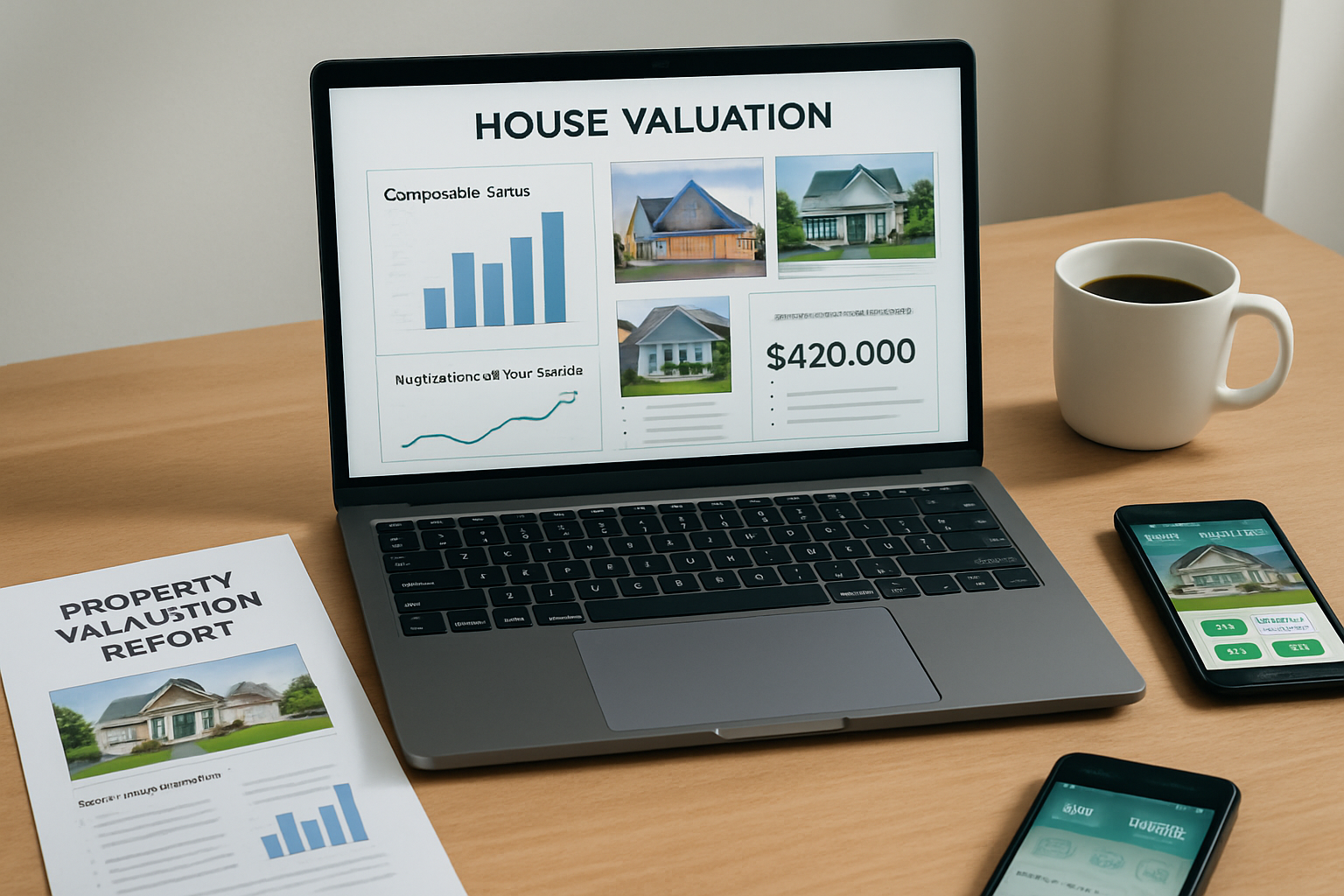
Understanding the differences between desktop house valuation and traditional physical surveys helps property owners make informed decisions about which approach best serves their needs. Each method offers distinct advantages depending on circumstances and requirements.
Time and Efficiency Comparison ⏱️
Traditional valuations typically require 7-14 days from instruction to report delivery, including scheduling, site visits, and report preparation. Desktop valuations can often complete within 24-48 hours, representing a significant time advantage for urgent requirements.
Cost Structure Differences
Physical surveys involve travel time, site inspection hours, and often higher administrative costs. Desktop valuations eliminate these overheads, typically costing 40-60% less than traditional approaches while maintaining professional standards and insurance coverage.
Accuracy and Reliability Factors
Both methods can achieve high accuracy when properly executed by qualified professionals. Traditional surveys excel for complex properties or those with condition issues, while desktop valuations perform excellently for standard properties with good comparable data.
Quality and Professional Standards
Professional standards apply equally to both desktop and traditional valuations, with qualified surveyors maintaining the same ethical obligations and insurance requirements regardless of methodology.
Regulatory Compliance
Both approaches must comply with RICS standards and professional guidelines. Desktop valuations follow specific protocols that ensure appropriate application and reliable results within their scope of use.
Documentation and Audit Trails
Modern desktop valuations often provide superior documentation and audit trails compared to traditional methods. Digital processes create comprehensive records of data sources, analysis steps, and professional judgments.
Professional Liability
Qualified surveyors carry professional indemnity insurance covering both desktop and traditional valuations. This coverage provides client protection regardless of the methodology employed.
“The key to successful desktop valuation lies not in the technology itself, but in the professional expertise that guides its application and interprets its results.” – RICS Valuation Standards
Technology and Innovation in Property Valuation
Current Technological Advances
The landscape of desktop house valuation continues evolving rapidly as new technologies enhance accuracy, efficiency, and scope of remote assessment capabilities. These innovations are reshaping how property professionals approach valuation challenges in 2025.
Artificial Intelligence and Machine Learning 🤖
Advanced algorithms now analyze vast datasets to identify patterns and relationships that human analysts might miss. These systems can process thousands of comparable properties simultaneously, adjusting for multiple variables to produce refined valuation estimates.
Satellite and Drone Imagery
High-resolution satellite imagery and drone photography provide detailed property visualization without physical visits. These technologies enable surveyors to assess property condition, extensions, garden areas, and neighborhood characteristics remotely.
Big Data Integration
Modern valuation platforms integrate multiple data sources including:
- Government databases for official property records
- Utility company data for property characteristics
- Social media and review platforms for neighborhood insights
- Economic indicators for market trend analysis
- Planning authority records for development potential
Virtual Reality and 3D Modeling
Some properties now offer virtual tours and 3D models that enable detailed remote inspection. This technology bridges the gap between desktop analysis and physical surveys for suitable properties.
Future Developments and Trends
The trajectory of desktop house valuation technology suggests continued advancement in automation, accuracy, and application scope. Understanding these trends helps property professionals prepare for evolving industry standards.
Automated Valuation Models (AVMs)
Increasingly sophisticated AVMs are being developed that can handle more complex property types and market conditions. However, professional oversight remains essential for quality control and regulatory compliance.
Blockchain and Data Verification
Emerging blockchain technologies may enhance data reliability and create immutable records of property transactions and characteristics, improving the foundation for desktop valuations.
Integration with Smart Home Technology
As properties increasingly feature smart home systems, this data may provide valuable insights into property condition, energy efficiency, and usage patterns that enhance valuation accuracy.
Professional firms like those offering commercial building surveys are already integrating these technologies into comprehensive service offerings.
Legal and Regulatory Considerations
Compliance Requirements
Desktop house valuation operates within a comprehensive regulatory framework that ensures professional standards and protects client interests. Understanding these requirements helps property owners work effectively with qualified professionals.
RICS Standards and Guidelines 📜
The Royal Institution of Chartered Surveyors provides specific guidance for desktop valuations, including:
- Scope limitations defining when desktop methods are appropriate
- Data quality requirements for reliable analysis
- Professional competence standards for practitioners
- Client communication obligations regarding methodology and limitations
Lender Acceptance Criteria
Different lenders maintain varying policies regarding desktop valuation acceptance. Factors influencing acceptance include:
- Property value thresholds
- Loan-to-value ratios
- Property types and locations
- Borrower risk profiles
Legal and Court Requirements
Certain legal proceedings require specific valuation approaches. Party wall matters and boundary disputes often necessitate physical surveys to meet evidential standards.
Professional Liability and Insurance
Desktop valuations carry the same professional liability implications as traditional surveys, requiring appropriate insurance coverage and professional competence from practitioners.
Professional Indemnity Coverage
Qualified surveyors maintain professional indemnity insurance that covers desktop valuations within their scope of competence. This coverage protects clients against professional negligence and provides recourse for inaccurate valuations.
Limitation of Liability
Desktop valuation reports typically include specific limitations regarding:
- Property condition assumptions
- Market data reliability
- Scope of investigation
- Time sensitivity of valuations
Understanding these limitations helps clients use desktop valuations appropriately and seek additional investigation when circumstances warrant.
Cost Analysis and Value Proposition
Desktop Valuation Pricing Structure
Understanding the cost structure of desktop house valuation helps property owners budget appropriately and compare value propositions across different service providers and methodologies.
Typical Fee Ranges 💷
Desktop valuations generally cost between £150-£400 for standard residential properties, depending on:
- Property value and complexity
- Report detail level required
- Turnaround time expectations
- Geographic location factors
- Surveyor qualifications and reputation
Cost Comparison with Traditional Methods
Traditional physical surveys typically cost £300-£800 for similar properties, making desktop valuations 40-60% more cost-effective for suitable scenarios. This cost difference becomes particularly significant for multiple property assessments or regular portfolio reviews.
Value-Added Services
Many firms offer enhanced desktop services that provide additional value:
- Market trend analysis for investment decisions
- Development potential assessment for planning considerations
- Insurance valuation services for coverage optimization
- Portfolio management tools for multiple properties
Return on Investment Considerations
The value proposition of desktop house valuation extends beyond immediate cost savings to include efficiency gains and improved decision-making capabilities.
Time Value Benefits ⏰
Faster turnaround times enable quicker decision-making for:
- Property purchases in competitive markets
- Refinancing opportunities with time-sensitive rates
- Investment decisions requiring rapid analysis
- Legal proceedings with tight deadlines
Opportunity Cost Savings
Reduced time requirements for property access and scheduling eliminate opportunity costs associated with traditional survey arrangements, particularly valuable for busy professionals and landlords with tenanted properties.
Professional services covering areas like Surrey and West London often provide transparent pricing structures that help clients understand value propositions clearly.
Common Challenges and Solutions
Addressing Desktop Valuation Limitations
While desktop house valuation offers significant advantages, understanding and addressing its limitations ensures successful outcomes and appropriate application across different scenarios.
Data Quality and Availability Issues 📊
Challenge: Some areas lack sufficient comparable sales data or have outdated property information that affects valuation accuracy.
Solutions:
- Expand search radius for comparable properties when local data is limited
- Utilize multiple data sources to cross-verify information
- Apply professional judgment to adjust for data quality issues
- Consider hybrid approaches combining desktop analysis with targeted physical inspection
Property Uniqueness and Complexity
Challenge: Non-standard properties or those with unique features may lack suitable comparables for desktop analysis.
Solutions:
- Develop specialized comparable databases for unique property types
- Utilize cost approach methodologies when sales comparison is insufficient
- Engage specialist surveyors with relevant experience
- Consider partial physical inspection for critical unique elements
Market Volatility and Timing
Challenge: Rapidly changing markets can make historical sales data less reliable for current valuations.
Solutions:
- Incorporate current market indicators and trends
- Adjust comparable sales for market movement since transaction dates
- Utilize real-time listing data to understand current market sentiment
- Provide valuation ranges rather than point estimates in volatile conditions
Quality Assurance Measures
Professional desktop valuation services implement comprehensive quality assurance measures to maintain accuracy and reliability standards.
Multi-Level Review Processes
Reputable firms employ systematic review procedures including:
- Initial data verification to confirm property details and comparable accuracy
- Peer review by senior surveyors for complex or high-value properties
- Technical review of calculations and methodology application
- Client communication review to ensure clear explanation of findings and limitations
Continuous Professional Development
Qualified surveyors maintain current knowledge through:
- Regular training on technology updates and methodology improvements
- Market knowledge updates for their operating areas
- Professional body continuing education requirements
- Industry best practice sharing and development
Technology Quality Controls
Modern valuation platforms incorporate automated quality checks including:
- Comparable property verification against multiple databases
- Calculation accuracy checks and audit trails
- Market trend validation against official statistics
- Report consistency and completeness verification
Firms specializing in leasehold valuations often demonstrate how quality assurance measures enhance reliability across different property types and valuation purposes.
Conclusion
Desktop house valuation has emerged as a transformative approach to property assessment in 2025, offering compelling advantages in speed, cost-effectiveness, and accessibility while maintaining professional standards and regulatory compliance. This comprehensive guide has explored the methodology, benefits, limitations, and practical applications of remote property valuation, demonstrating its value across various scenarios from mortgage applications to investment portfolio management.
The key to successful desktop valuation lies in understanding when this approach is appropriate and ensuring qualified professionals conduct the assessment using current technology and comprehensive data sources. While desktop methods excel for standard residential properties with good comparable data, complex or unique properties may still require traditional physical surveys for optimal accuracy.
Take Action Today 🎯
To leverage the benefits of desktop house valuation for your property needs:
- Assess your requirements – Determine whether your property and circumstances suit desktop valuation methodology
- Research qualified professionals – Select RICS-qualified surveyors with relevant local market experience and appropriate technology platforms
- Understand service levels – Choose the appropriate level of detail and analysis for your specific needs and budget
- Plan for follow-up – Consider whether additional investigation or physical survey might be needed based on desktop findings
The future of property valuation increasingly embraces technology-enhanced approaches that deliver professional results efficiently and cost-effectively. By understanding and appropriately utilizing desktop house valuation services, property owners can make informed decisions faster and more economically than ever before.
Whether you’re considering a mortgage application, planning an investment strategy, or requiring valuation for legal purposes, desktop house valuation represents a valuable tool in the modern property professional’s toolkit, delivering reliable results when properly applied by qualified practitioners.