
{"cover":"Professional landscape format (1536×1024) hero image with bold text overlay: 'Building Surveys for Properties with Latent Defects: Identifying Hidden Issues in 2026 Market Recovery Properties' in extra large 72pt white sans-serif font with dark shadow and semi-transparent navy overlay box, positioned in upper third. Background shows detailed close-up of surveyor's gloved hand holding thermal imaging camera pointed at residential wall with visible moisture patterns and structural cracks, inspection clipboard visible at edge. Color scheme: deep navy blue, white, orange thermal imaging accents. High contrast, editorial magazine cover quality, professional surveying aesthetic with technical precision","content":["Landscape format (1536×1024) detailed cutaway illustration of residential property cross-section showing multiple hidden defects: subsidence cracks in foundation with measurement annotations, concealed dampness behind plasterboard walls shown in blue moisture gradient, deteriorated roof timbers with wood rot highlighted in brown, corroded pipework behind walls in red, all labeled with professional surveyor callout boxes. Technical blueprint aesthetic with white background, precise architectural line work, color-coded defect severity indicators (green, amber, red), isometric perspective view, educational diagram style with professional typography","Landscape format (1536×1024) split-screen comparison image showing left side: traditional surveyor with clipboard and flashlight inspecting dark basement corner missing obvious defects; right side: modern surveyor using advanced technology including thermal imaging camera display showing heat signature anomalies, moisture meter with digital readout on wall surface, and drone controller with aerial roof inspection footage on screen. Bright professional lighting, high-tech equipment focus, contrast between old and new methods, clean workshop background, equipment details clearly visible with brand-neutral design","Landscape format (1536×1024) professional building survey report document spread across desk with multiple sections visible: executive summary page with red-flagged critical defects, detailed photographs of structural issues pinned to corners, cost estimate spreadsheet showing repair priorities with highlighted figures, condition rating matrix with color-coded severity levels, and surveyor's hands pointing to specific findings with red pen. Overhead flat-lay photography, natural office lighting, organized layout, professional stationery, calculator and measuring tools visible at edges, realistic document textures and typography"]
Completed operations insurance claims surged by 6.5% in 2025, signaling a troubling trend for property buyers navigating the 2026 market recovery.[1] Behind this statistic lies a stark reality: as transaction volumes increase after months of subdued activity, properties with deferred maintenance and hidden structural problems are flooding the market. For buyers and chartered surveyors alike, Building Surveys for Properties with Latent Defects: Identifying Hidden Issues in 2026 Market Recovery Properties has become an essential safeguard against costly post-purchase surprises.
The 2026 property landscape presents unique challenges. Years of postponed repairs, combined with aggressive pricing strategies from sellers eager to capitalize on renewed buyer interest, mean that latent defects—those hidden flaws invisible during casual viewings—pose unprecedented risks. This comprehensive guide explores advanced inspection techniques, common defect patterns, and effective communication strategies for Level 3 building surveys in today's recovering market.

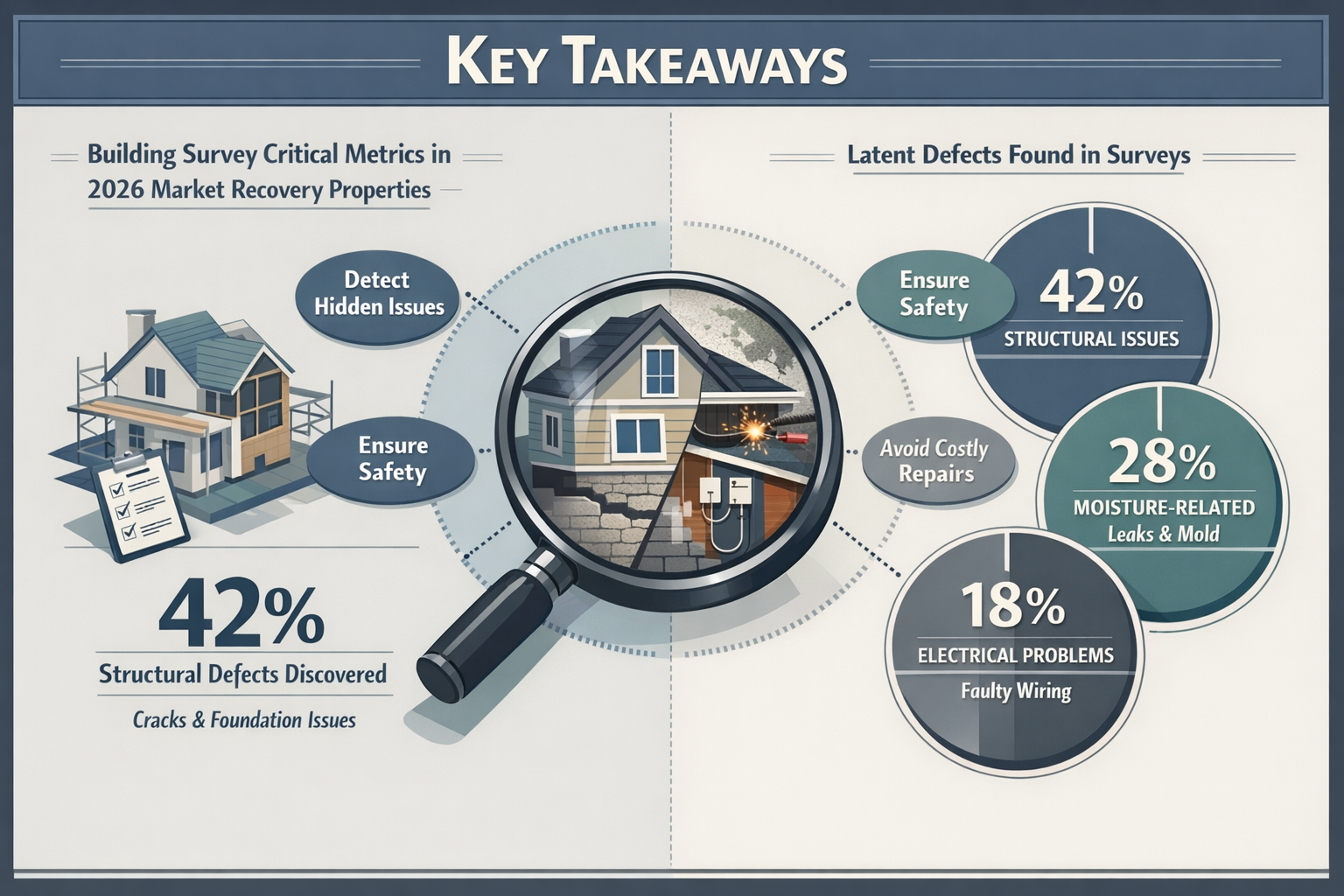
Key Takeaways
- Market recovery properties carry elevated defect risks due to deferred maintenance during economic uncertainty, with premises liability claims rising 8.3% in 2025[1]
- Advanced inspection technologies including thermal imaging, moisture meters, and drone surveys have become essential tools for identifying concealed structural issues
- Green building compliance disputes increased 8.4% in 2025, making sustainability performance verification a critical survey component[1]
- Buyers are leveraging survey findings more aggressively to negotiate price reductions, with average defense costs per claim reaching £128,500[1]
- Comprehensive documentation and clear reporting protect both buyers and surveyors from future liability disputes
Understanding Latent Defects in 2026 Market Recovery Properties
What Constitutes a Latent Defect?
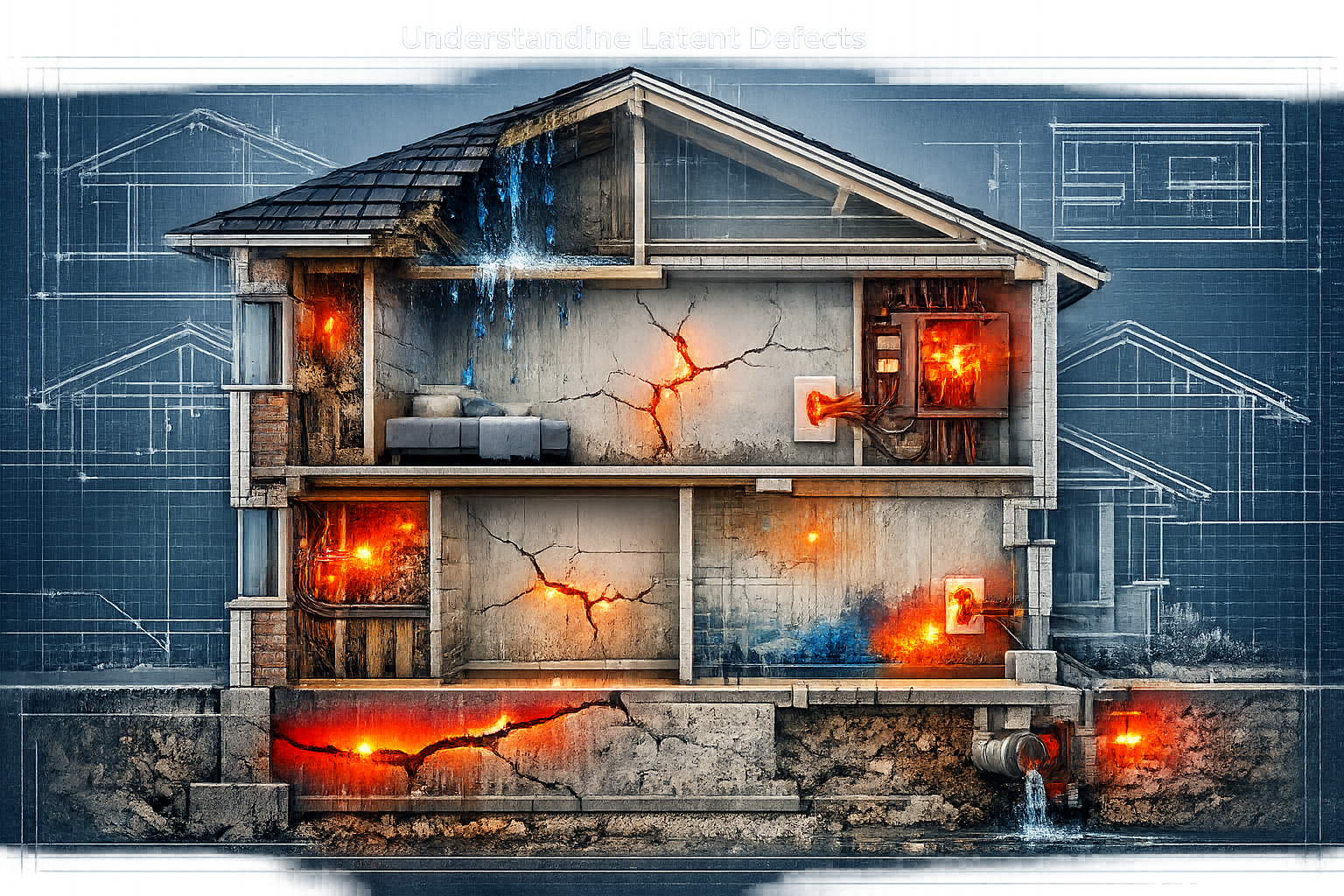
A latent defect is a flaw or imperfection in a property that cannot be discovered through reasonable inspection at the time of purchase. Unlike patent defects (visible issues like cracked windows or peeling paint), latent defects remain hidden until they manifest—often months or years after completion.
Common examples include:
- 🏚️ Structural movement concealed behind decorative finishes
- 💧 Hidden dampness within cavity walls or beneath floor coverings
- 🪵 Timber decay in inaccessible roof spaces or subfloor areas
- 🔌 Electrical defects behind walls or in ceiling voids
- 🌊 Drainage problems underground or within concealed pipework
- 🏗️ Inadequate foundations masked by cosmetic renovations
Why 2026 Properties Present Elevated Risks
The current market recovery follows an extended period of economic uncertainty. During this time, many property owners:
- Postponed essential maintenance to reduce expenditure
- Applied cosmetic improvements to mask underlying problems
- Completed DIY repairs without proper building control approval
- Neglected professional inspections of critical building elements
Research indicates that subcontractor-related risks now dominate liability claims at 41% of all construction disputes[1], reflecting widespread quality control issues in recent renovation work. Properties entering the market in 2026 may harbor defects from poorly executed upgrades during the preceding years.
Additionally, buyers are using survey findings more strategically, with even minor defects subject to heightened scrutiny in price negotiations.[2] This shift emphasizes the importance of thorough building surveys that leave no stone unturned.
Building Surveys for Properties with Latent Defects: Advanced Inspection Techniques
Traditional Inspection Methods Enhanced
While visual inspection remains the foundation of any building survey, identifying latent defects requires methodical examination beyond surface-level observation:
Structural Assessment
- Measure crack widths with precision gauges
- Document crack patterns and orientation
- Check for differential settlement indicators
- Examine external ground levels relative to damp-proof courses
- Inspect subfloor voids where accessible
Moisture Investigation
- Use electronic moisture meters on all suspicious areas
- Check behind furniture and fixtures where possible
- Examine external drainage and ground conditions
- Inspect roof spaces for water ingress evidence
- Test window and door seals
Roof Examination
- Inspect roof coverings from ground level with binoculars
- Access roof spaces to examine timber condition
- Check for adequate ventilation
- Assess insulation type and thickness
- Identify any amateur repairs or modifications
For properties where roof access proves difficult, drone roof surveys provide detailed photographic evidence of covering condition, flashings, and chimney stacks without safety risks.
Technology-Driven Detection Methods
Modern surveying equipment has revolutionized latent defect identification:
Thermal Imaging Cameras 📷
Thermal imaging reveals temperature variations that indicate:
- Hidden moisture penetration
- Missing or inadequate insulation
- Air leakage paths
- Concealed structural voids
- Underfloor heating defects
Moisture Meters 💦
Both pin-type and radio-frequency meters detect:
- Elevated moisture levels in walls and floors
- Penetrating dampness sources
- Rising dampness extent
- Timber moisture content
- Effectiveness of existing damp-proofing
Borescope Inspection 🔍
Fiber-optic cameras access concealed spaces through small holes:
- Cavity wall conditions
- Subfloor void examination
- Behind-panel inspections
- Drainage pipe interiors
- Roof void restricted areas
Structural Monitoring 📊
For properties with existing movement evidence:
- Crack monitoring devices track progression
- Tell-tale gauges measure ongoing settlement
- Inclinometers assess tilt in walls
- Electronic monitoring provides data over time
Green Building Compliance Verification
With green building compliance claims increasing 8.4% in 2025[1], surveyors must now verify sustainability features claimed by sellers:
- Energy Performance Certificate (EPC) accuracy
- Insulation specification and installation quality
- Renewable technology functionality (solar panels, heat pumps)
- Ventilation system performance
- Water efficiency measures
- Sustainable material authenticity
Failure to meet claimed environmental standards can constitute a latent defect, particularly where buyers have paid premium prices for "eco-friendly" properties.
Common Latent Defect Patterns in Recovery Properties
Structural Defects
Subsidence and Settlement
Foundation movement often develops slowly, with visible signs concealed during decorative updates. Warning indicators include:
| Defect Type | Visual Clues | Investigation Method |
|---|---|---|
| Subsidence | Diagonal cracks wider at top, external cracks near extensions | Trial pit excavation, structural engineer assessment |
| Settlement | Vertical cracks of uniform width, recent construction nearby | Foundation depth verification, soil analysis |
| Heave | Horizontal cracks, floor lifting, doors jamming | Clay soil testing, tree root investigation |
Professional subsidence surveys provide definitive analysis when movement is suspected, including recommendations for monitoring or remediation.
Structural Alterations
Unauthorized removal of load-bearing walls represents a serious latent defect. Signs include:
- Sagging ceilings or floors
- New cracks appearing above openings
- Doors and windows out of square
- Absence of building control completion certificates
Dampness and Water Ingress
Concealed Penetrating Dampness
Moisture penetration hidden behind wall linings, kitchen units, or bathroom tiles can cause extensive decay. Common sources:
- Failed cavity wall ties allowing water bridging
- Defective render or pointing
- Leaking plumbing within walls
- Roof defects above concealed areas
Rising Dampness
Often masked by impermeable wall coverings (vinyl wallpaper, oil-based paint), rising dampness continues to damage masonry and timbers. Verification requires:
- Removal of skirting boards for inspection
- Salt contamination testing
- Damp-proof course examination
- Ground level assessment
Timber Defects
Wood-Boring Insect Infestation
Active infestations in roof timbers or floor joists may go unnoticed for years. Evidence includes:
- Fresh flight holes (clean, sharp edges)
- Bore dust beneath timbers
- Weakened structural members
- Dead insects in roof spaces
Fungal Decay
Dry rot and wet rot thrive in concealed, poorly ventilated areas:
- Dry rot: Distinctive mushroom smell, white mycelium, cuboidal cracking
- Wet rot: Localized to damp areas, darkened timber, longitudinal cracking
Services Defects
Electrical Installation Issues
Outdated or dangerous electrical work concealed within walls:
- Aluminum wiring (fire risk)
- Inadequate earthing
- Overloaded circuits
- Amateur additions to consumer units
Plumbing and Drainage Problems
Underground defects that manifest slowly:
- Corroded pipework
- Tree root ingress to drains
- Collapsed drainage runs
- Inadequate falls causing blockages
Building Regulation Non-Compliance
Properties with recent extensions or conversions may lack proper approval:
- Missing building control completion certificates
- Work not complying with current regulations
- Inadequate structural support
- Fire safety deficiencies in conversions
Building Surveys for Properties with Latent Defects: Reporting and Communication Strategies
Structuring Comprehensive Survey Reports
A Level 3 building survey for properties with suspected latent defects requires exceptional clarity and detail:
Executive Summary 📋
- Highlight all significant defects requiring immediate attention
- Provide cost implications for major repairs
- Offer clear recommendations for further investigation
- Prioritize issues by urgency and severity
Condition Rating System
Use a consistent three-tier classification:
- Condition Rating 1 (Green): No repair currently needed
- Condition Rating 2 (Amber): Defects requiring future attention
- Condition Rating 3 (Red): Urgent defects requiring immediate action
Photographic Evidence 📸
Include:
- High-resolution images of all defects
- Thermal imaging results with interpretation
- Moisture meter readings with location context
- Comparative photos showing defect progression potential
Detailed Descriptions
For each latent defect:
- Explain the nature and likely cause
- Describe potential consequences if unaddressed
- Provide repair methodology recommendations
- Estimate cost ranges for remediation
- Suggest specialists for further investigation
Recommending Further Investigations
When latent defects require specialist assessment, provide specific guidance:
Structural Engineers 🏗️
For foundation movement, structural alterations, or load-bearing concerns, recommend residential structural engineers with relevant experience.
Specialist Contractors
- Timber specialists: For extensive decay or infestation
- Damp specialists: For complex moisture problems
- Drainage surveyors: For underground drainage investigation
- Electrical contractors: For full electrical testing
- Arboricultural consultants: For tree-related subsidence
CCTV Drainage Surveys
Underground drainage defects require camera inspection to identify:
- Pipe condition and material
- Root ingress locations
- Structural defects or collapse
- Connection integrity
Legal and Liability Considerations
With average defense costs per claim reaching £128,500[1], surveyors must protect themselves through:
Professional Indemnity Insurance
Ensure adequate coverage for:
- Latent defect claims
- Consequential loss
- Legal defense costs
- Extended discovery periods
Clear Scope Definition
Explicitly state in terms of engagement:
- Areas not inspected (inaccessible spaces)
- Limitations of visual inspection
- Exclusions (electrical testing, drainage surveys)
- Recommendations for specialist reports
Evidence Retention
Maintain comprehensive records:
- All photographs and thermal images
- Moisture meter readings with locations
- Site notes and observations
- Correspondence with clients
- Specialist reports obtained
Communicating Findings to Buyers and Stakeholders
Managing Client Expectations
Buyers in the 2026 market recovery often have unrealistic expectations about property condition. Effective communication requires:
Pre-Survey Briefing
Explain:
- The difference between patent and latent defects
- Limitations of visual inspection
- The likelihood of finding issues in older properties
- Cost implications of common defects
Post-Survey Consultation
Offer a follow-up discussion to:
- Walk through the report systematically
- Answer questions about defect severity
- Provide context for repair costs
- Discuss negotiation strategies
Realistic Cost Estimates
Provide repair cost ranges based on:
- Current market rates for specialist work
- Regional variations in contractor pricing
- Complexity of access and remediation
- Potential for additional issues during works
Negotiation Support
Buyers are increasingly using survey findings to renegotiate purchase prices.[2] Surveyors can support this by:
Prioritizing Defects
Categorize findings by:
- Essential repairs: Safety issues, structural problems
- Important repairs: Preventing deterioration
- Desirable improvements: Enhancing property value
Quantifying Financial Impact
Provide:
- Itemized repair cost estimates
- Potential costs of further investigation
- Impact on property value
- Ongoing maintenance implications
Supporting Documentation
Supply:
- Detailed photographs for seller's review
- Specialist report recommendations
- Comparable repair costs from recent projects
- Building regulation requirement explanations
Protecting Buyers and Surveyors: Best Practices for 2026
Due Diligence Protocols
Pre-Purchase Inquiries
Buyers should request:
- Building control completion certificates
- Electrical installation certificates
- Gas safety certificates
- Guarantees for damp-proofing, timber treatment, or structural work
- Planning permissions for alterations
- Energy Performance Certificates with supporting documentation
Seller's Property Information
Scrutinize responses regarding:
- Known defects or repairs
- Insurance claims for subsidence or flooding
- Disputes with neighbors
- Alterations or extensions completed
Legal Searches
Ensure comprehensive searches include:
- Local authority building control records
- Environmental reports (flooding, contamination)
- Coal mining reports (where applicable)
- Chancel repair liability
Quality Assurance for Surveyors
Continuing Professional Development
Stay current with:
- New inspection technologies
- Building regulation updates
- Construction techniques and materials
- Defect identification methodologies
Peer Review Systems
Implement quality checks through:
- Report review by senior surveyors
- Regular calibration of equipment
- Standardized reporting templates
- Client feedback analysis
Professional Memberships
Maintain affiliations with:
- Royal Institution of Chartered Surveyors (RICS)
- Residential Property Surveyors Association (RPSA)
- Building Surveyors' Institute
- Relevant specialist groups
Insurance and Warranty Considerations
New Build Warranties
For properties less than 10 years old:
- Verify NHBC or equivalent warranty validity
- Check coverage for structural defects
- Understand claims procedures
- Assess transferability to new owners
Defects Insurance
Consider recommending:
- Latent defects insurance for buyers
- Professional consultant's insurance for major projects
- Title insurance for legal defect protection
Emerging Trends in Latent Defect Identification
Artificial Intelligence and Machine Learning
AI-powered analysis tools are beginning to:
- Analyze thermal imaging data automatically
- Identify defect patterns from photographs
- Predict deterioration timelines
- Compare properties against defect databases
Building Information Modeling (BIM)
Digital property records enable:
- Historical alteration tracking
- Maintenance schedule verification
- Hidden services location
- 3D visualization of concealed spaces
Regulatory Developments
Anticipated changes for 2026 include:
- Enhanced energy efficiency requirements
- Stricter electrical safety standards
- Updated fire safety regulations for flats
- Building safety regime expansion
Conclusion: Navigating the 2026 Market with Confidence
Building Surveys for Properties with Latent Defects: Identifying Hidden Issues in 2026 Market Recovery Properties represents more than a technical exercise—it's a critical safeguard in an increasingly complex property market. With completed operations insurance claims rising 6.5%[1] and buyers scrutinizing survey findings more aggressively than ever[2], the stakes have never been higher for both purchasers and professionals.
The convergence of deferred maintenance, aggressive cosmetic improvements, and renewed market activity creates a perfect storm for latent defect disputes. However, armed with advanced inspection technologies, systematic investigation protocols, and clear communication strategies, surveyors can protect buyers from costly post-purchase surprises while safeguarding their own professional liability.
Actionable Next Steps
For Property Buyers:
- Commission a comprehensive Level 3 building survey for any property showing signs of deferred maintenance
- Request all available documentation regarding alterations, repairs, and guarantees
- Budget for specialist investigations when recommended by your surveyor
- Use survey findings strategically in price negotiations
- Consider latent defects insurance for additional protection
For Surveyors:
- Invest in modern inspection equipment including thermal imaging and moisture detection tools
- Develop systematic protocols for identifying common latent defects
- Enhance report clarity with detailed photography and prioritized recommendations
- Maintain robust professional indemnity insurance coverage
- Stay current with regulatory changes and construction techniques
For All Stakeholders:
The 2026 market recovery presents both opportunities and risks. Properties with latent defects will continue entering the market as transaction volumes increase. Success depends on thorough investigation, honest disclosure, and realistic expectations about property condition and repair costs.
By embracing advanced inspection techniques, maintaining rigorous documentation standards, and communicating findings with clarity and precision, the property industry can navigate this challenging landscape while protecting buyers from hidden defects and surveyors from unwarranted liability claims.
The properties changing hands in 2026 will shape the housing stock for decades to come. Ensuring these transactions proceed with full knowledge of latent defects benefits everyone—from first-time buyers to experienced investors, from chartered surveyors to legal professionals. In a market where premises liability claims have risen 8.3%[1] and defense costs average £128,500[1], comprehensive building surveys aren't just prudent—they're essential.
References
[1] Construction Market Outlook 2026 – https://www.gallagherbassett.com/-/media/files/gallagher-bassett/us/news-and-insights/construction-market-outlook-2026.pdf
[2] Building Survey Market Sentiment In Early 2026 Navigating Regional Price Divergence And Buyer Uncertainty – https://nottinghillsurveyors.com/blog/building-survey-market-sentiment-in-early-2026-navigating-regional-price-divergence-and-buyer-uncertainty