
Complete Guide to Damp Survey Cost: What You Need to Know in 2025
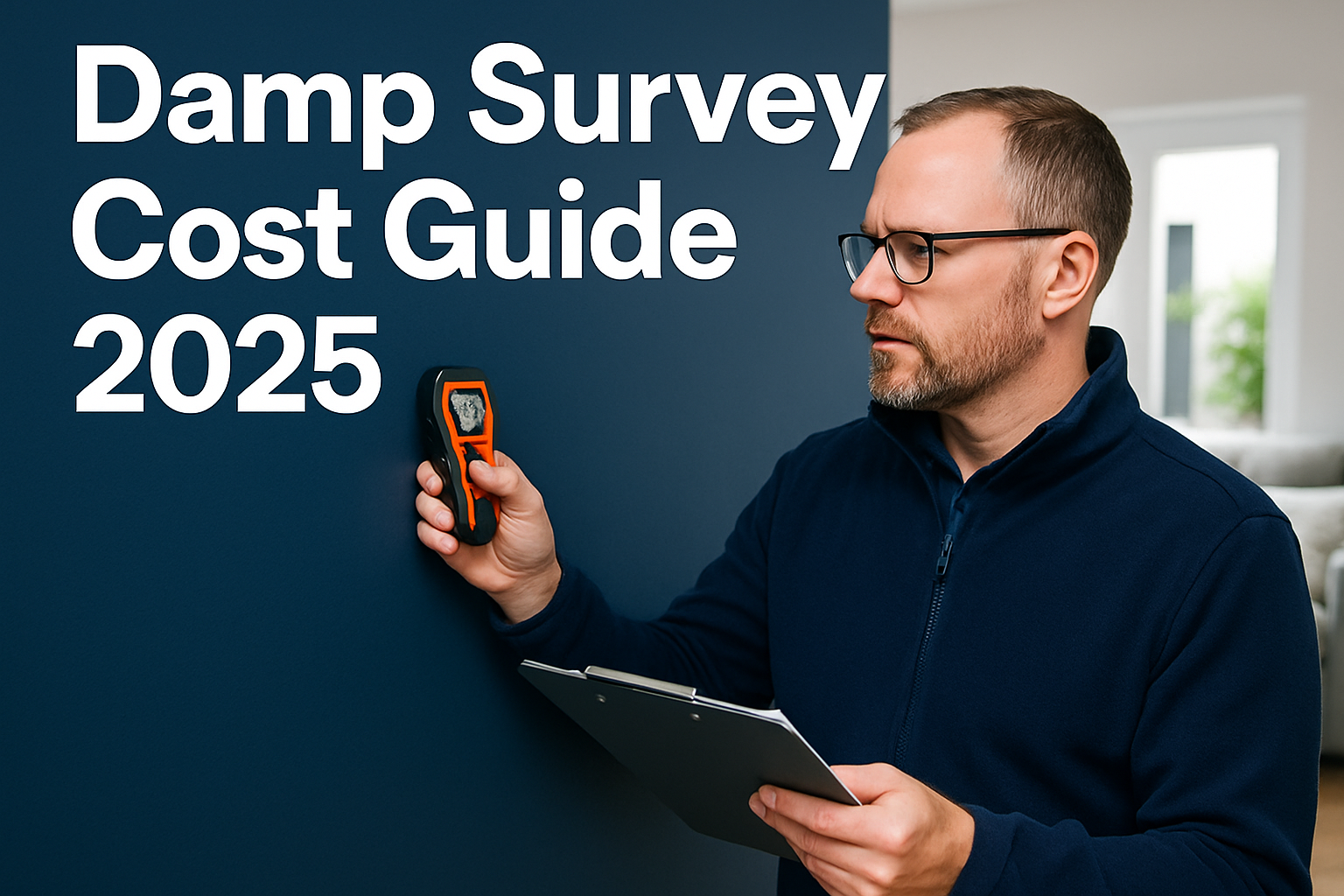
Discovering damp in your property can be a homeowner’s nightmare, but understanding damp survey cost doesn’t have to add to your stress. Whether you’re dealing with mysterious water stains, musty odours, or visible mould growth, a professional damp survey is often the first crucial step towards protecting your property investment and ensuring your family’s health and safety.
Key Takeaways
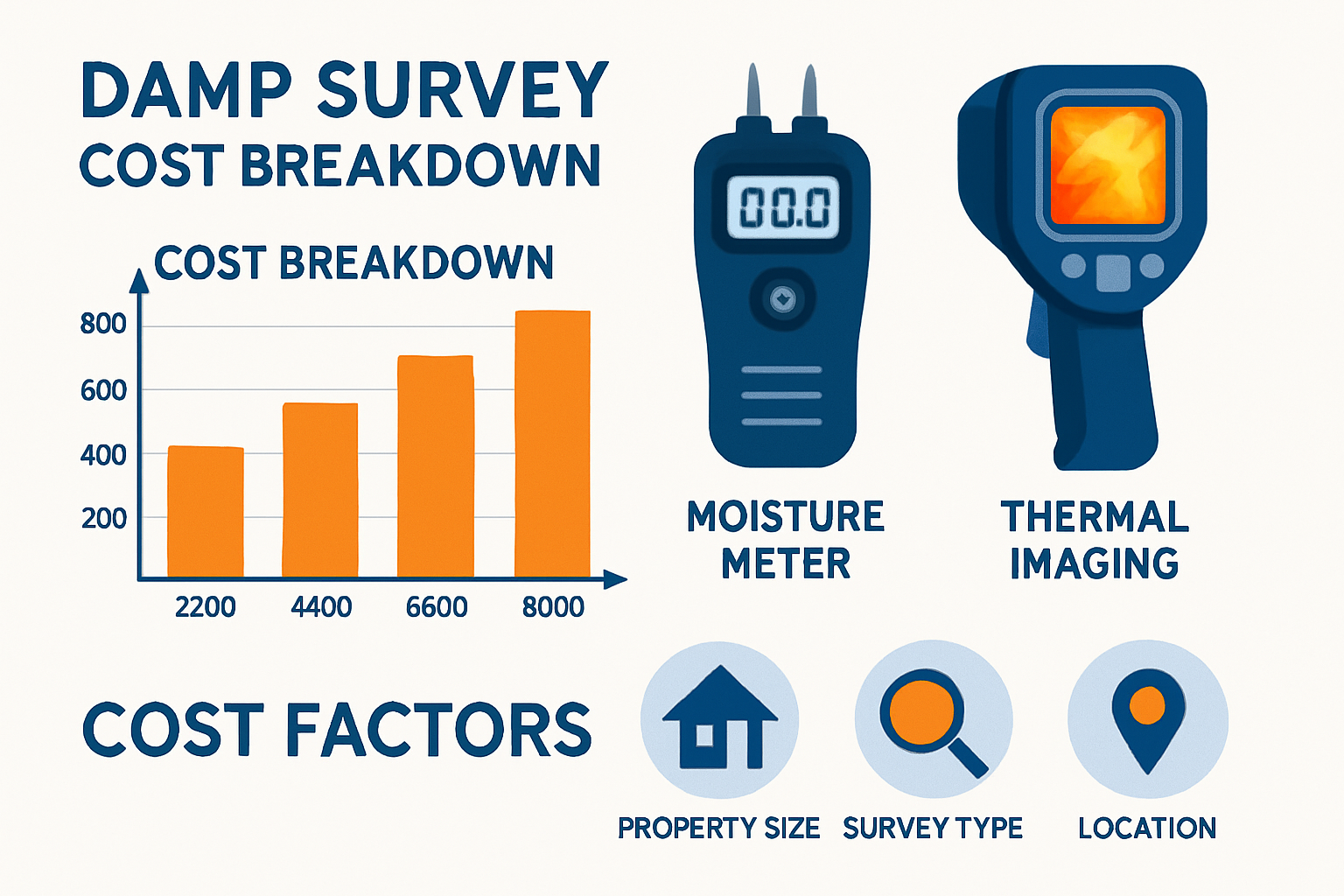
• Damp survey costs typically range from £200 to £800, depending on property size, survey type, and location
• Basic moisture assessments start around £200-£350, while comprehensive surveys with thermal imaging cost £400-£800
• Property size and complexity are the primary factors affecting survey pricing
• Professional surveys can save thousands in unnecessary treatments by identifying the exact cause of damp issues
• Early detection through professional surveys prevents costly structural damage and health risks
Understanding Damp Surveys and Their Importance
A damp survey is a comprehensive assessment conducted by qualified professionals to identify moisture problems within a property. These surveys go beyond visual inspections, utilizing specialized equipment to detect hidden dampness that could lead to serious structural issues and health concerns.
Why are damp surveys essential? 🏠
Damp problems affect millions of UK properties, with condensation, rising damp, and penetrating damp being the most common culprits. Without proper identification, these issues can:
- Cause extensive structural damage
- Create health hazards through mould growth
- Reduce property value significantly
- Lead to expensive remedial work
Professional chartered surveyors use advanced techniques including moisture meters, thermal imaging cameras, and hygrometers to provide accurate diagnoses. This scientific approach ensures you receive targeted solutions rather than unnecessary treatments that could cost thousands.
Factors That Influence Damp Survey Cost
Understanding what affects damp survey cost helps property owners budget effectively and choose the right service level for their needs.
Property Size and Complexity
Property size is the primary cost driver for damp surveys. Here’s how different property types typically affect pricing:
| Property Type | Typical Cost Range | Survey Duration |
|---|---|---|
| 1-2 bedroom flat | £200 – £350 | 1-2 hours |
| 3-bedroom house | £300 – £500 | 2-3 hours |
| 4+ bedroom house | £450 – £700 | 3-4 hours |
| Commercial property | £500 – £1,200+ | 4+ hours |
Complex architectural features such as basements, multiple levels, or period property characteristics can increase costs by 20-30%.
Survey Type and Technology Used
Different survey types command varying prices based on the technology and expertise required:
Basic Visual Survey (£200-£300)
- Visual inspection of accessible areas
- Basic moisture meter readings
- Written report with recommendations
Standard Damp Survey (£300-£500)
- Comprehensive visual inspection
- Moisture meter testing throughout property
- Identification of damp sources
- Detailed written report
Advanced Survey with Thermal Imaging (£400-£800)
- All standard survey elements
- Thermal imaging to detect hidden moisture
- Humidity level monitoring
- Comprehensive photographic evidence
- Detailed remedial recommendations
Geographic Location Impact
Location significantly affects damp survey cost, with London and South East England typically commanding premium rates:
- London and Central areas: 20-40% above national average
- Home Counties: 15-25% above average
- Northern England: Often 10-20% below average
- Scotland and Wales: Generally competitive pricing
Professional surveyors in London may charge higher rates due to increased operational costs and demand.
Urgency and Scheduling
Emergency or same-day surveys typically incur additional charges:
- Standard booking (5-10 days): No additional cost
- Priority booking (2-4 days): 10-20% surcharge
- Emergency survey (24-48 hours): 25-50% surcharge
Types of Damp Surveys and Associated Costs
Homebuyer Damp Assessment
Cost Range: £250-£400
Often conducted alongside building surveys, these assessments focus on identifying potential damp issues before purchase. They include:
- Visual inspection of all accessible areas
- Moisture readings in key locations
- Assessment of ventilation adequacy
- Identification of high-risk areas
Insurance Claim Survey
Cost Range: £300-£600
Required for insurance claims related to water damage or damp, these surveys provide:
- Detailed damage assessment
- Cause identification and evidence
- Photographic documentation
- Professional report suitable for insurers
Pre-Treatment Survey
Cost Range: £200-£500
Essential before undertaking damp treatment work, ensuring the correct solution is implemented:
- Precise damp source identification
- Treatment method recommendations
- Cost-effective solution planning
- Prevention of unnecessary work
Rental Property Survey
Cost Range: £250-£450
Landlords often require damp surveys to comply with housing regulations and protect tenant health:
- Compliance with housing health and safety standards
- Risk assessment for tenant wellbeing
- Maintenance planning and budgeting
- Legal protection documentation
Getting Value for Money: What to Expect
Comprehensive Survey Report
A professional damp survey should provide a detailed written report including:
Executive Summary
- Clear identification of damp issues found
- Severity assessment and risk levels
- Priority recommendations
Technical Findings
- Moisture readings and locations
- Photographic evidence
- Cause analysis and explanation
Recommendations
- Specific treatment options
- Cost estimates for remedial work
- Prevention strategies
- Timeline for action
Professional Qualifications to Look For
Ensure your surveyor holds relevant qualifications:
- RICS (Royal Institution of Chartered Surveyors) membership
- CSRT (Certificated Surveyor in Residential Property) qualification
- PCA (Property Care Association) certification
- Relevant insurance and professional indemnity cover
Equipment and Technology Standards
Professional surveys should utilize:
- Calibrated moisture meters for accurate readings
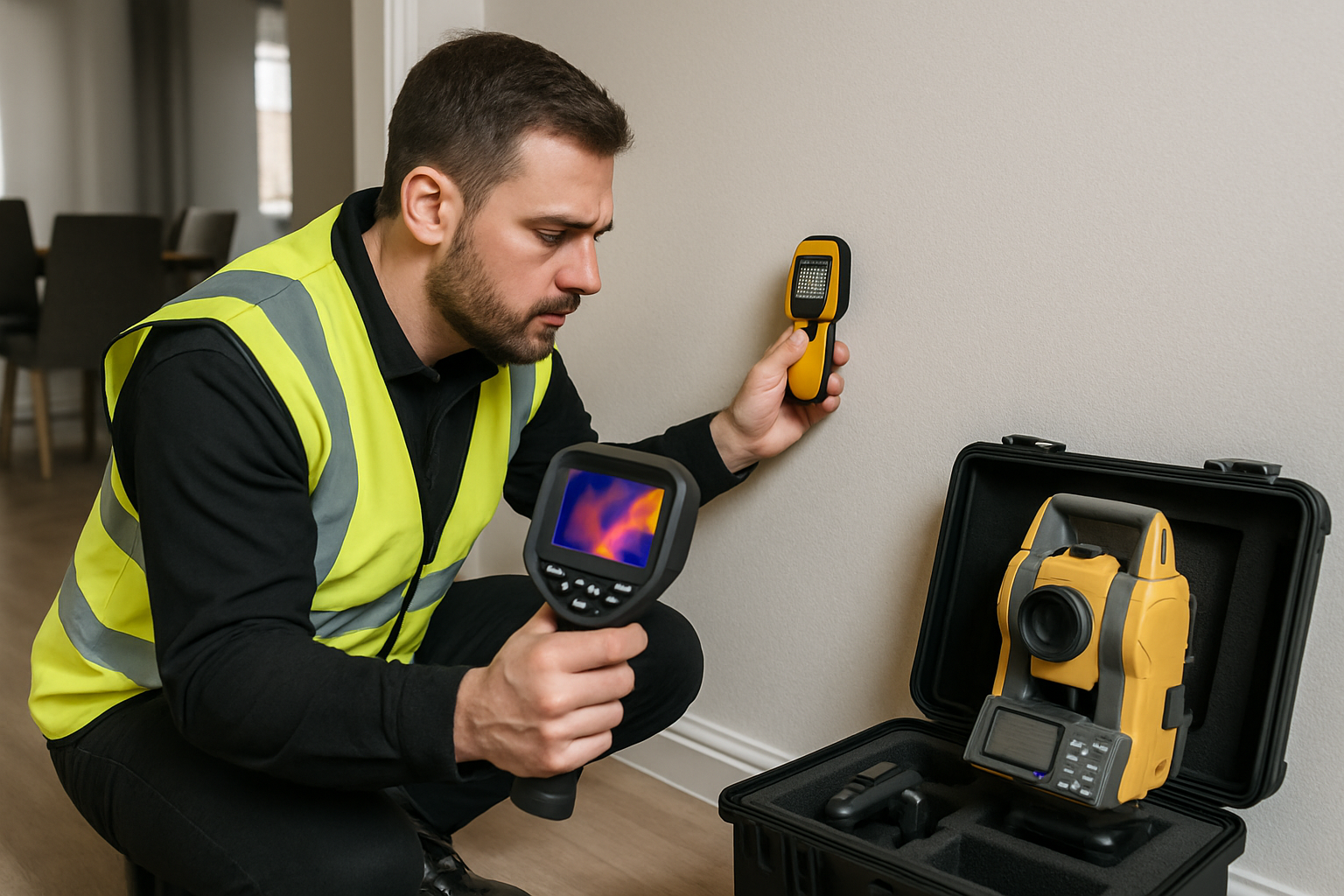
- Thermal imaging cameras for hidden moisture detection
- Hygrometers for humidity measurement
- Endoscopes for cavity inspections where necessary
Cost-Saving Tips and Considerations
Timing Your Survey Strategically
Seasonal considerations can affect both cost and effectiveness:
- Autumn/Winter: Higher demand may increase costs but better moisture detection
- Spring/Summer: Potentially lower costs but some damp issues less apparent
- Post-rainfall periods: Optimal for detecting penetrating damp issues
Combining Surveys for Better Value
Consider combining damp surveys with other property assessments:
- Building surveys can include basic damp assessment
- Property valuations may offer damp screening
- Multiple property surveys may qualify for discounts
Choosing the Right Survey Level
Match survey complexity to your needs:
- Basic surveys sufficient for minor concerns or budget constraints
- Standard surveys ideal for most residential properties
- Advanced surveys essential for complex properties or serious damp concerns
Questions to Ask Before Booking
Maximize value by asking potential surveyors:
- What specific equipment will be used?
- Is thermal imaging included in the quoted price?
- What qualifications and insurance do you hold?
- How detailed will the written report be?
- Do you provide follow-up consultation?
- Are there any additional charges for travel or equipment?
Regional Variations in Damp Survey Cost
London and South East England
The capital and surrounding areas typically see the highest damp survey costs due to:
- Higher operational overheads
- Increased demand for services
- Premium property values
- Complex Victorian and Edwardian properties
Typical cost ranges:
- Basic survey: £300-£450
- Standard survey: £400-£650
- Advanced survey: £550-£900
Chartered surveyors in areas like Kingston, Richmond, and Surrey often provide competitive pricing while maintaining high professional standards.
Northern England and Scotland
More competitive pricing reflects lower operational costs:
- Basic survey: £200-£300
- Standard survey: £250-£400
- Advanced survey: £350-£550
Wales and South West England
Moderate pricing with good value for comprehensive services:
- Basic survey: £220-£320
- Standard survey: £280-£450
- Advanced survey: £380-£600
When to Invest in a Professional Damp Survey
Clear Warning Signs
Immediate survey recommended when you notice:
- Visible mould growth or black spots on walls
- Musty, damp odours that persist
- Peeling wallpaper or paint without obvious cause
- Wet or damp patches on walls or ceilings
- White salt deposits on walls (efflorescence)
- Increased condensation on windows and walls
Property Purchase Considerations
Essential for buyers when:
- Property has history of damp issues
- Basement or below-ground accommodation present
- Period property with solid walls
- Property vacant for extended periods
- Previous DIY damp treatments visible
Investment Property Management
Landlords should consider regular surveys:
- Annual assessments for high-risk properties
- Between tenancy comprehensive checks
- Following tenant reports of damp issues
- Before major renovation projects
Understanding Survey Technology and Methods
Moisture Detection Equipment
Professional-grade moisture meters provide accurate readings by measuring electrical resistance or capacitance in building materials. These tools can:
- Detect moisture levels in various materials
- Identify areas requiring further investigation
- Provide quantifiable data for reports
- Track moisture levels over time
Thermal Imaging Benefits
Thermal imaging cameras reveal temperature variations that indicate:
- Hidden moisture behind walls and ceilings
- Insulation defects contributing to condensation
- Air leakage points causing damp ingress
- Structural thermal bridges creating cold spots
This technology significantly enhances survey accuracy and can identify issues invisible to conventional inspection methods.
Environmental Monitoring
Advanced surveys may include environmental monitoring to assess:
- Relative humidity levels throughout the property
- Air circulation patterns and ventilation effectiveness
- Temperature variations that contribute to condensation
- External weather impact on internal conditions
Conclusion
Understanding damp survey cost empowers property owners to make informed decisions about protecting their investments. With typical costs ranging from £200 to £800, professional damp surveys represent excellent value when considering the potential costs of untreated moisture problems.
Key actions to take:
- Assess your property’s risk factors and choose an appropriate survey level
- Research qualified professionals with relevant certifications and insurance
- Compare quotes from multiple surveyors, ensuring like-for-like services
- Act promptly on survey recommendations to prevent escalation of damp issues
- Consider preventive surveys for high-risk properties or before major investments
Remember that the cost of a professional damp survey is minimal compared to the potential expenses of structural damage, health issues, or unnecessary treatments. By investing in expert assessment, property owners can address damp problems effectively and maintain their property’s value and safety.
For professional damp survey services and expert property advice, consider consulting with experienced chartered surveyors who can provide comprehensive assessments tailored to your specific needs and budget.