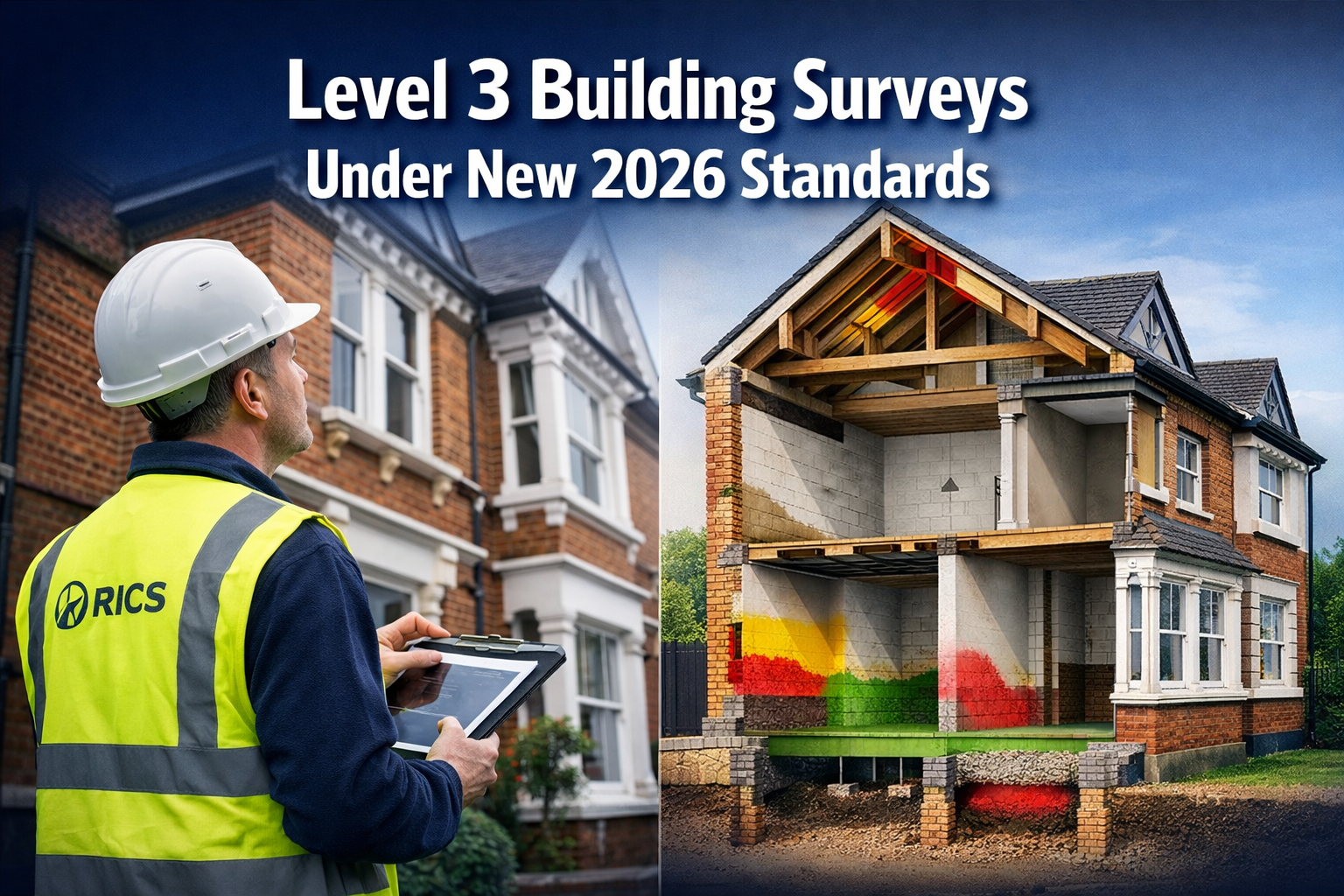

The UK property market is experiencing a fundamental shift in 2026, with Level 3 Building Surveys Under New 2026 Standards: Preparing for Mandatory Upfront Home Assessments becoming increasingly critical for homebuyers, sellers, and property professionals alike. As regulatory reforms push toward greater transparency and consumer protection, understanding the comprehensive nature of these detailed inspections has never been more important. Whether you're purchasing a period property, planning major renovations, or simply want complete peace of mind about a building's condition, Level 3 surveys represent the gold standard in property assessment.

Key Takeaways
- 🏛️ Level 3 surveys are the most comprehensive RICS inspection available, covering everything from structural integrity to hidden defects, making them essential for older properties and those with visible issues
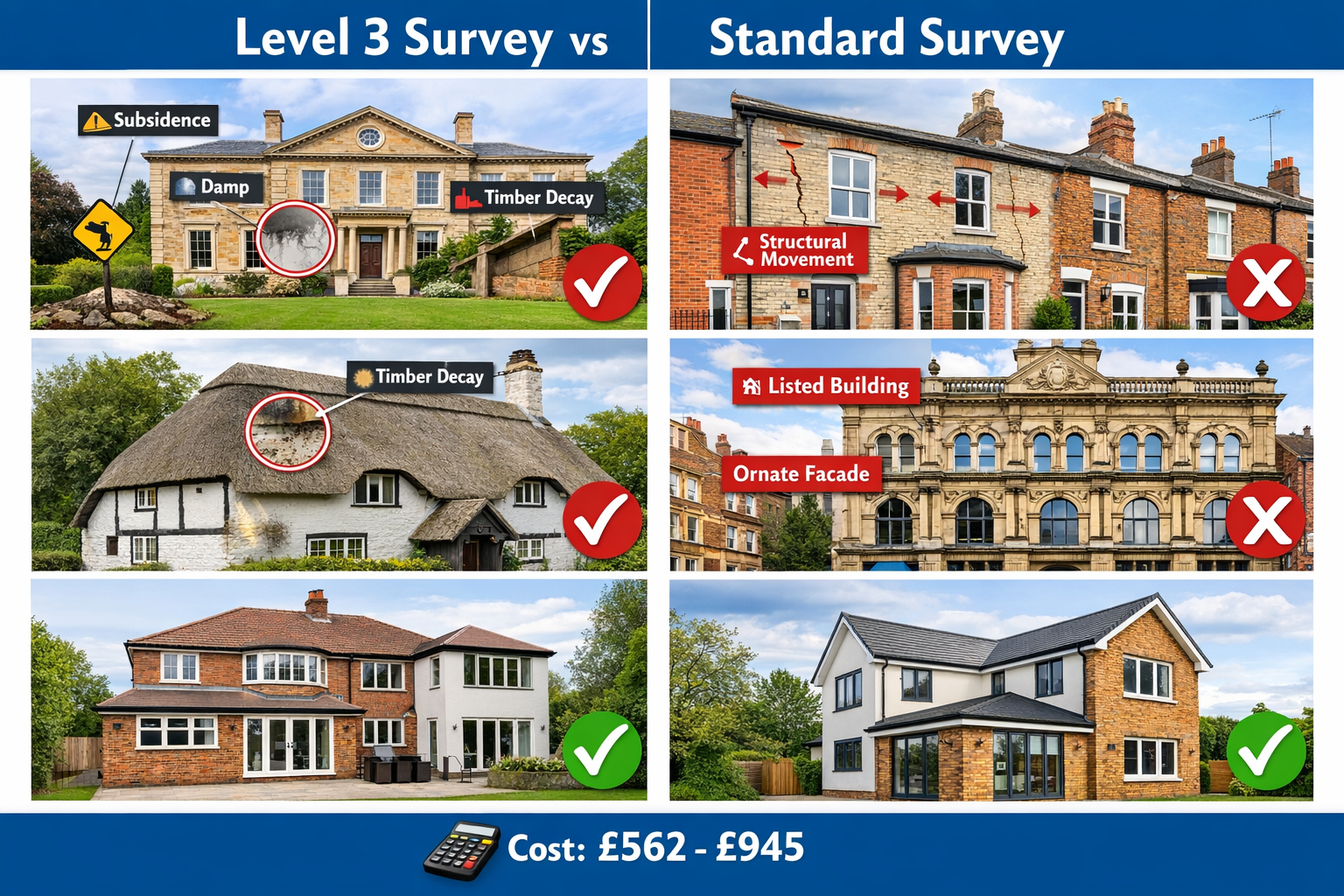
- 💷 Costs typically range from £562 to £945 in 2026, with pricing dependent on property size, age, and condition—a worthwhile investment that can save thousands in unexpected repairs
- 📋 New 2026 standards emphasize upfront assessments, requiring enhanced surveyor training and more detailed reporting protocols to meet reform-driven market demands
- 🔍 Traffic light severity systems help buyers quickly identify urgent repairs (red), areas needing attention (amber), and satisfactory conditions (green)
- 🏚️ Ideal for properties over 100 years old, listed buildings, homes with visible defects, or those requiring structural modifications or extensive renovations
Understanding Level 3 Building Surveys Under New 2026 Standards
What Makes Level 3 Surveys Different?
Level 3 Building Surveys, formerly known as full structural surveys, represent the most thorough property inspection available through the Royal Institute of Chartered Surveyors (RICS). Unlike their Level 2 counterparts (HomeBuyer Reports), these comprehensive assessments leave no stone unturned when evaluating a property's condition.[1]
The scope of a Level 3 survey extends far beyond surface-level observations. Chartered surveyors conducting these inspections examine:
- Complete structural analysis of walls, floors, roofs, and foundations
- Materials assessment throughout the entire building
- Detailed defect identification with severity ratings
- Remedial recommendations for each identified issue
- Future maintenance guidance and cost projections
- Accessibility to all areas including loft spaces, basements, and crawl spaces
The inspection process is notably time-intensive. Surveyors typically spend at least several hours on-site, with full-day inspections common for properties in poor condition or those with complex structural elements.[4] This thorough approach ensures that buyers receive a complete picture of their potential investment.
The 2026 Regulatory Landscape
The property market in 2026 has evolved significantly, with increased emphasis on upfront transparency and consumer protection. New standards require enhanced reporting protocols and more rigorous surveyor training to meet the demands of reform-driven market conditions.
These changes reflect a broader shift toward mandatory upfront home assessments, designed to reduce transaction failures and protect buyers from unexpected repair costs. For those considering a structural survey in London, understanding these updated requirements is essential.
When Level 3 Building Surveys Under New 2026 Standards Are Essential

Property Types Requiring Comprehensive Assessment
Not every property requires the depth of investigation that Level 3 surveys provide. However, certain characteristics make these comprehensive assessments not just advisable, but essential for informed decision-making.[3]
Properties over 100 years old top the list of candidates for Level 3 surveys. These historic buildings often feature:
- Traditional construction methods no longer in common use
- Materials that may have degraded over time
- Previous modifications that may not meet current building standards
- Hidden structural issues masked by cosmetic updates
Listed buildings and period properties present unique challenges that demand expert evaluation. The surveyor's role extends beyond identifying defects to understanding how historic construction techniques interact with modern building standards.
Properties with visible defects absolutely require Level 3 investigation. Warning signs include:
- ⚠️ Cracks in walls, especially diagonal or stepped patterns
- 💧 Damp patches, staining, or musty odors
- 📐 Uneven floors or sloping ceilings
- 🪟 Doors and windows that stick or don't close properly
- 🧱 Bulging or bowing walls
- 🏚️ Evidence of previous structural movement
Renovation and Extension Projects
If you're planning major renovations or structural changes, a Level 3 survey provides the foundational knowledge necessary for successful project planning. Understanding existing structural conditions helps avoid costly surprises during construction.
For properties requiring specific defect reports or those with suspected subsidence issues, the comprehensive nature of Level 3 surveys proves invaluable.
Cost Analysis: Level 3 Building Surveys Under New 2026 Standards
Understanding the Investment
In 2026, Level 3 Building Surveys typically cost between £562 and £945 across the UK, with an average price point of approximately £629.[2] This investment varies based on several key factors:
| Cost Factor | Impact on Price | Typical Range |
|---|---|---|
| Property Size | Larger properties require more inspection time | +£100-£300 |
| Property Age | Older buildings need more detailed assessment | +£50-£200 |
| Property Condition | Poor condition extends inspection duration | +£100-£250 |
| Location | London and Southeast command premium rates | +£150-£400 |
| Access Complexity | Limited access areas increase surveyor time | +£75-£150 |
Return on Investment
While Level 3 surveys represent a significant upfront cost, they frequently save buyers tens of thousands of pounds by:
- Identifying major defects before purchase completion
- Providing negotiation leverage for price reductions
- Preventing costly post-purchase surprises
- Informing accurate renovation budgets
- Highlighting safety hazards requiring immediate attention
Consider a scenario where a £700 survey identifies £25,000 worth of previously hidden structural repairs. The buyer can either negotiate a price reduction, request repairs before completion, or make an informed decision to walk away from a problematic purchase.
The Level 3 Survey Process: What to Expect
Comprehensive Inspection Components
A thorough Level 3 survey follows a systematic approach, examining every accessible part of the property. Understanding what surveyors assess helps property buyers appreciate the value of this comprehensive service.[5]
Roof Structure and Loft Spaces
Surveyors physically enter loft spaces when safe access exists, examining:
- Roof timber condition and structural integrity
- Signs of water ingress or previous leaks
- Insulation adequacy and condition
- Ventilation effectiveness
- Evidence of pest infestation
For properties where roof surveys reveal concerns, detailed recommendations guide necessary repairs.
Drainage Systems
Accessible manhole covers are lifted to inspect:
- Drain condition and flow
- Signs of blockages or damage
- Connection integrity
- Potential for future issues
Damp and Moisture Assessment
Using specialized equipment, surveyors evaluate:
- Rising damp indicators
- Penetrating damp sources
- Condensation problems
- Damp proofing effectiveness
- Moisture meter readings in suspicious areas
Timber and Structural Elements
Detailed examination identifies:
- Timber decay or rot
- Woodworm or beetle infestation
- Structural movement or settlement
- Load-bearing wall integrity
- Floor joist condition
Hazardous Materials
Modern Level 3 surveys include screening for:
- Asbestos-containing materials
- Lead paint presence
- Other potentially hazardous substances
The Traffic Light Reporting System
RICS-approved surveyors utilize an intuitive traffic light severity system to communicate findings clearly:[4]
🟢 Green (Satisfactory): No repair currently needed; normal maintenance sufficient
🟡 Amber (Attention Needed): Repairs or replacements requiring future attention; defects that need monitoring
🔴 Red (Urgent): Serious defects requiring immediate attention; significant safety concerns
This visual system helps buyers quickly prioritize issues and plan remedial work effectively.
Preparing for Mandatory Upfront Home Assessments in 2026
Updated RICS Standards and Training Requirements
The 2026 regulatory environment demands enhanced competency from chartered surveyors conducting Level 3 assessments. New training protocols emphasize:
Enhanced Technical Knowledge
- Advanced defect diagnosis techniques
- Modern construction material assessment
- Historic building conservation principles
- Environmental hazard identification
- Digital reporting technologies
Improved Communication Standards
Surveyors must now provide:
- Clearer explanations of technical findings
- More detailed cost guidance for repairs
- Better prioritization of remedial work
- Enhanced photographic documentation
- Digital report formats with interactive elements
Checklist for Property Buyers
When commissioning Level 3 Building Surveys Under New 2026 Standards: Preparing for Mandatory Upfront Home Assessments, buyers should:
Before the Survey:
✅ Verify the surveyor's RICS accreditation and Level 3 experience
✅ Discuss specific concerns or areas requiring extra attention
✅ Provide property history documentation if available
✅ Ensure access to all areas including loft, basement, and outbuildings
✅ Confirm the survey scope and report delivery timeline
During the Survey:
✅ Consider attending the inspection (if permitted)
✅ Ask questions about visible concerns
✅ Note any areas the surveyor cannot access
✅ Discuss preliminary observations (if appropriate)
After Receiving the Report:
✅ Review findings systematically using the traffic light system
✅ Obtain repair cost estimates for red and amber items
✅ Consult specialists for complex issues (structural engineers, damp specialists)
✅ Determine negotiation strategy with your solicitor
✅ Plan renovation priorities if proceeding with purchase
Spotting Defects in Recovering Market Properties
The 2026 property market recovery presents unique challenges, with many properties having experienced deferred maintenance during economic uncertainty. Buyers should be particularly vigilant for:
Common Hidden Defects:
🔍 Subsidence indicators: Diagonal cracks wider than 3mm, especially near doors and windows
🔍 Damp penetration: Staining patterns, peeling wallpaper, musty odors in specific areas
🔍 Roof deterioration: Missing tiles, sagging ridge lines, daylight visible through roof space
🔍 Timber decay: Soft or spongy wood, fungal growth, insect flight holes
🔍 Electrical concerns: Outdated wiring, insufficient earthing, overloaded circuits
🔍 Plumbing issues: Lead pipes, corroded connections, inadequate water pressure
For properties with multiple defects, understanding what survey you need helps determine whether Level 3 is the appropriate choice.
Maximizing Value from Your Level 3 Survey
Using Survey Findings for Negotiation
A comprehensive Level 3 report provides powerful leverage in property negotiations. Strategic approaches include:
Price Reduction Strategy
Calculate the total cost of identified repairs and request a proportionate price reduction. For example:
- Red-rated urgent repairs: £15,000
- Amber-rated future work: £8,000
- Total defect cost: £23,000
- Reasonable negotiation: £15,000-£20,000 reduction
Retention Agreement
Negotiate for the seller to retain funds in escrow to complete specific repairs post-completion, ensuring work is completed to agreed standards.
Repair Completion
Request that sellers address critical defects before exchange of contracts, with re-inspection confirming satisfactory completion.
Planning Renovation Projects
For buyers purchasing properties requiring home renovation projects, the Level 3 survey serves as a comprehensive project planning tool:
Prioritization Framework:
- Immediate safety hazards (structural instability, electrical dangers)
- Weather protection (roof repairs, damp remediation)
- Essential services (heating, plumbing, drainage)
- Structural improvements (foundation work, wall repairs)
- Cosmetic enhancements (decoration, modernization)
Budget Planning:
Use survey findings to create realistic renovation budgets, adding 15-20% contingency for unexpected discoveries during work.
Ongoing Property Maintenance
Beyond the immediate purchase decision, Level 3 surveys provide valuable long-term maintenance guidance. The report's recommendations help property owners:
- Schedule preventative maintenance
- Budget for future repairs
- Understand normal property aging versus concerning deterioration
- Maintain property value through proactive care
For commercial properties, similar principles apply through commercial building surveys.
Working with RICS Professionals
Selecting the Right Surveyor
Not all surveyors possess equal expertise in Level 3 assessments. Selection criteria should include:
Professional Qualifications:
- Full RICS membership (MRICS or FRICS)
- Specific Level 3 survey experience
- Local market knowledge
- Specialist expertise (period properties, specific construction types)
Practical Considerations:
- Availability within your transaction timeline
- Professional indemnity insurance coverage
- Sample report quality and clarity
- Client testimonials and references
Communication Style:
Choose a surveyor who:
- Explains technical matters clearly
- Responds promptly to queries
- Provides realistic cost guidance
- Offers post-report consultation
Understanding Report Limitations
Even the most comprehensive Level 3 survey has inherent limitations that buyers must understand:
⚠️ Non-invasive inspection: Surveyors don't remove floorboards, dismantle fixtures, or damage property
⚠️ Access restrictions: Some areas may be inaccessible due to furniture, storage, or safety concerns
⚠️ Hidden defects: Concealed problems (behind walls, under floors) may not be detectable
⚠️ Specialist assessments: Some issues require separate specialist reports (electrical testing, asbestos surveys)
When specific concerns exist, additional investigations like snagging reports or boundary surveys may be necessary.
Conclusion
Level 3 Building Surveys Under New 2026 Standards: Preparing for Mandatory Upfront Home Assessments represents a critical investment in property purchase decision-making. As regulatory reforms emphasize transparency and consumer protection, these comprehensive inspections provide buyers with the detailed knowledge necessary to make informed choices about what is typically their largest financial commitment.
The £562-£945 cost of a Level 3 survey pales in comparison to the potential savings from identifying major defects before purchase completion. Whether you're considering a Victorian terrace, a listed Georgian property, or any building showing signs of structural concern, the depth of investigation provided by RICS-accredited surveyors delivers invaluable peace of mind.
Next Steps for Property Buyers
If you're purchasing a property in 2026:
- Assess your property's characteristics against the Level 3 criteria outlined above
- Select a qualified RICS surveyor with relevant experience and strong communication skills
- Commission the survey early in the transaction process to allow time for negotiations
- Review the report thoroughly using the traffic light system to prioritize concerns
- Obtain specialist quotes for identified repairs to inform negotiation strategy
- Consult with legal and financial advisors about how findings impact your purchase decision
- Plan long-term maintenance based on survey recommendations to protect your investment
The evolving standards in 2026 ensure that Level 3 surveys deliver even greater value through enhanced reporting, improved surveyor training, and clearer communication of findings. By understanding what these comprehensive assessments offer and how to maximize their value, property buyers can navigate the market with confidence, armed with the detailed knowledge necessary for successful property ownership.
Whether you need guidance on choosing the right survey type or require specialist assessment services, working with experienced professionals ensures your property purchase decision rests on solid foundations—literally and figuratively.
References
[1] Scope Of Inspection Home Survey Level Three – https://www.rics.org/profession-standards/rics-standards-and-guidance/sector-standards/building-surveying-standards/home-surveys/scope-of-inspection-home-survey-level-three
[2] Level 3 Survey Cost – https://www.comparemymove.com/guides/surveying/level-3-survey-cost
[3] Difference Between Level 2 And Level 3 Survey Which One Do You Actually Need – https://westernbuildingconsultants.com/2026/02/27/difference-between-level-2-and-level-3-survey-which-one-do-you-actually-need/
[4] Building Survey Level 3 – https://www.propertysolvers.co.uk/services/building-survey-level-3/
[5] Rics Level 3 Home Survey – https://www.samconveyancing.co.uk/rics-level-3-home-survey