
The buy-to-let market in 2026 is experiencing a significant transformation. Institutional investors are no longer sitting on the sidelines—they're actively acquiring, renovating, and expanding property portfolios at unprecedented rates. This surge in professional landlord activity brings with it a critical consideration that can make or break expansion projects: party wall surveys and agreements. Understanding Party Wall Surveys for Buy-to-Let Property Expansions: Navigating Institutional Investor Growth in 2026 has become essential for property developers, institutional investors, and professional landlords managing renovation-heavy portfolios.
As sophisticated investors drive the market forward, the complexity of managing party wall matters has increased exponentially. Whether converting lofts, excavating foundations, or inserting damp-proof courses, compliance with party wall legislation is no longer optional—it's a fundamental component of successful property expansion strategies.
Key Takeaways
- 🏢 Institutional investors must serve proper party wall notices 2 months before building works or 1 month before excavation to avoid costly delays
- 💰 Party wall awards typically cost £1,000-£2,000, with surveyor rates ranging from £150-£200 per hour—a manageable expense for professional portfolios
- 📋 Loft conversions, foundation work, and damp-proof course installations are the most common triggers requiring party wall agreements in buy-to-let expansions
- ⚖️ Professional landlords benefit from appointing agreed surveyors to streamline multi-property renovation projects
- 🔍 Proper documentation and proactive neighbour engagement reduce dispute risks by up to 80% in institutional portfolios
Understanding Party Wall Requirements for Buy-to-Let Expansions
What Is a Party Wall Survey?
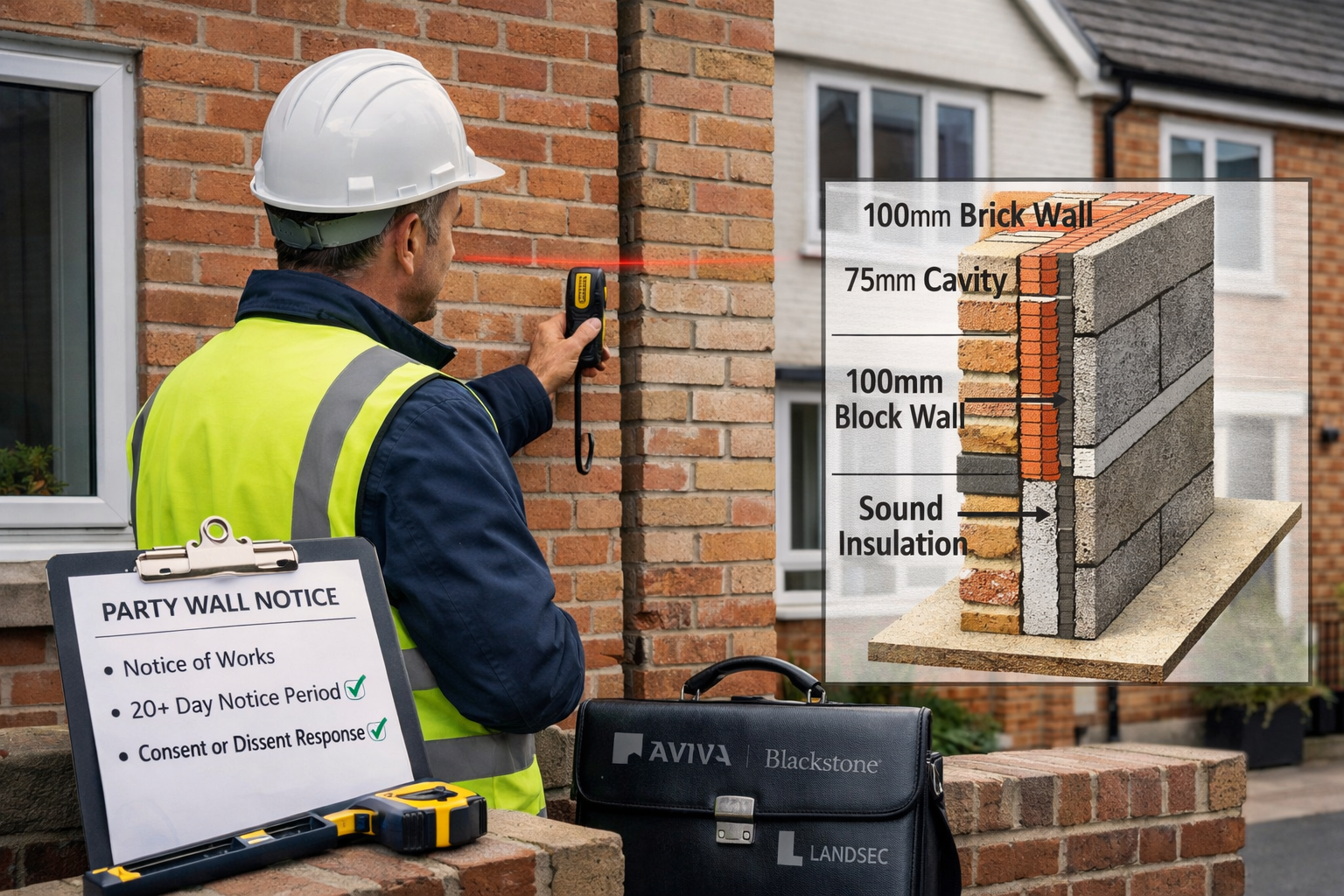
A party wall survey is a detailed assessment conducted by a qualified surveyor to document the condition of a shared wall, structure, or boundary before construction work begins. This survey serves as critical evidence should disputes arise during or after renovation projects.
For institutional investors managing multiple buy-to-let properties, party wall surveys provide:
- Legal protection through documented pre-work conditions
- Dispute prevention by establishing baseline property states
- Cost predictability for expansion budgets
- Compliance assurance with the Party Wall Act
The survey process involves photographing existing conditions, measuring structural elements, identifying defects, and creating comprehensive records that protect both building owners and adjoining property owners.
When Do Buy-to-Let Investors Need Party Wall Agreements?
Party Wall Surveys for Buy-to-Let Property Expansions: Navigating Institutional Investor Growth in 2026 requires understanding specific triggers that mandate formal agreements. According to current regulations, party wall procedures apply when:
Building Works (2-Month Notice Required):
- Constructing new walls at or astride the boundary line
- Undertaking work directly to an existing party wall
- Cutting into party walls to insert beams or damp-proof courses
- Raising, underpinning, or demolishing shared structures[1]
Excavation Works (1-Month Notice Required):
- Digging within 3 metres of a neighbouring building where excavation goes deeper than their foundations
- Excavating within 6 metres where the work extends below a 45-degree plane from the neighbour's foundation base[1]
For buy-to-let portfolios, the most common scenarios include:
- Loft conversions requiring structural alterations to party walls
- Basement excavations that may affect neighbouring foundations
- Rear extensions involving new foundations near boundary lines
- Damp-proof course installations penetrating shared walls[1]
Understanding these triggers allows institutional investors to plan renovation schedules effectively and budget for necessary party wall surveyor costs.
The Party Wall Act and Legal Framework
The Party Wall etc. Act 1996 governs all party wall matters in England and Wales, establishing clear procedures for building owners and adjoining owners. This party wall legislation creates a framework that balances property rights with development needs.
Key provisions include:
| Requirement | Timeline | Purpose |
|---|---|---|
| Party Wall Notice | 2 months before building works | Formal notification to neighbours |
| Excavation Notice | 1 month before digging | Alert for foundation-affecting work |
| Response Period | 14 days from notice receipt | Neighbour consent or dissent |
| Award Preparation | 10 days after surveyor appointment | Document rights and obligations |
Professional landlords benefit from understanding that the Act does not require neighbour permission—it simply mandates proper notification and dispute resolution procedures. Even if neighbours object, work can proceed once a party wall award is in place.
Managing Party Wall Surveys Across Institutional Portfolios
Streamlining Notice Procedures for Multiple Properties
For institutional investors managing dozens or hundreds of buy-to-let properties, efficiency in party wall procedures becomes paramount. Party Wall Surveys for Buy-to-Let Property Expansions: Navigating Institutional Investor Growth in 2026 demands systematic approaches to notice management.
Best Practices for Portfolio-Scale Operations:
✅ Centralized Documentation System
- Maintain digital records of all party wall notices served
- Track response deadlines across properties
- Store baseline survey reports in accessible databases
✅ Standardized Notice Templates
- Develop compliant notice formats for common renovation types
- Include clear descriptions of proposed works
- Ensure proper legal language meets statutory requirements
✅ Proactive Neighbour Communication
- Contact adjoining owners before formal notices
- Explain renovation benefits and timelines
- Offer pre-work condition surveys at no cost to neighbours
✅ Dedicated Surveyor Relationships
- Establish partnerships with qualified party wall surveyors
- Negotiate portfolio-wide fee structures
- Ensure consistent quality across multiple projects
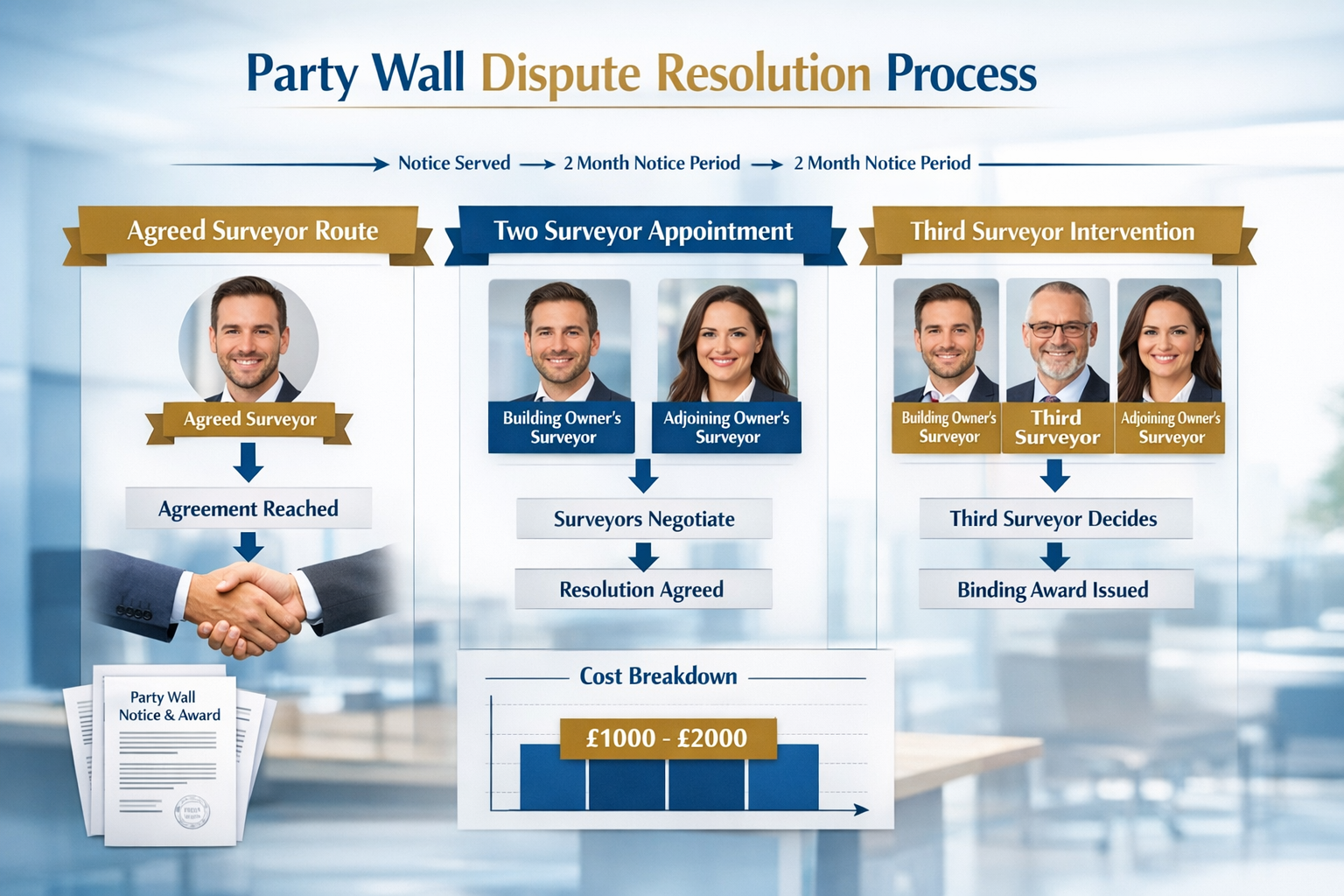
Professional investors often appoint a single agreed surveyor to represent both parties when expanding multiple properties simultaneously. This approach reduces costs and accelerates the award process while maintaining legal compliance.
Common Disputes in Renovation-Heavy Portfolios
Despite best intentions, party wall disputes arise frequently in institutional portfolios. Understanding common conflict sources helps investors mitigate risks:
Top Dispute Triggers:
-
Inadequate Notice Periods 🚨
- Serving notices too close to commencement dates
- Incomplete work descriptions
- Missing technical drawings or specifications
-
Construction Noise and Disruption 🔨
- Extended working hours affecting residential neighbours
- Dust and debris management failures
- Inadequate site security and access controls
-
Structural Damage Claims 🏚️
- Pre-existing defects attributed to new works
- Vibration damage from excavation equipment
- Settlement issues following foundation work
-
Boundary Encroachments 📏
- Scaffolding or materials placed on neighbouring land
- Accidental construction beyond property lines
- Disputes over the 3-metre rule interpretation
-
Award Compliance Failures 📋
- Deviating from agreed work schedules
- Skipping required condition inspections
- Ignoring protective measures specified in awards
Resolution Strategies:
Professional landlords minimize disputes through:
- Comprehensive baseline surveys documenting pre-work conditions with photographic evidence
- Regular progress updates to adjoining owners throughout construction
- Immediate response protocols for neighbour concerns or complaints
- Third surveyor mechanisms when disputes cannot be resolved between appointed surveyors
- Professional indemnity insurance covering party wall-related claims
The cost of preventing disputes is invariably lower than resolving them. Institutional investors who invest in proper party wall agreements upfront save significant time and money in the long term.
Cost Management and Budgeting Considerations
Understanding the financial implications of Party Wall Surveys for Buy-to-Let Property Expansions: Navigating Institutional Investor Growth in 2026 enables accurate project budgeting.
Typical Cost Breakdown:
💷 Party Wall Award Preparation: £1,000-£2,000 per property[1]
- Includes surveyor appointment, site visits, and award drafting
- Covers both building owner and adjoining owner surveyor fees
- Building owner typically pays all reasonable costs
💷 Hourly Surveyor Rates: £150-£200 per hour[1]
- Varies by location (London commands premium rates)
- Complexity of works affects total hours required
- Institutional clients may negotiate volume discounts
💷 Baseline Condition Surveys: £500-£1,500 per neighbouring property
- Photographic documentation of existing conditions
- Structural assessment reports
- Essential evidence for dispute prevention
💷 Third Surveyor Fees: £2,000-£5,000 (if required)
- Only necessary when appointed surveyors cannot agree
- Rare in well-managed institutional projects
- Can be avoided through proper surveyor selection
Cost Optimization Strategies:
For portfolio-scale operations, institutional investors can reduce party wall expenses through:
- Bulk appointment agreements with preferred surveyor firms
- Standardized work scopes reducing assessment complexity
- Proactive neighbour relations minimizing dispute escalation
- Digital documentation systems streamlining administrative processes
- Strategic scheduling grouping adjacent property renovations
While party wall costs represent approximately 1-3% of total renovation budgets, the protection they provide against delays and litigation makes them essential investments rather than optional expenses.

Best Practices for Institutional Investors in 2026
Integrating Party Wall Compliance into Acquisition Due Diligence
Sophisticated investors in 2026 recognize that party wall considerations begin long before renovation plans are finalized. Due diligence processes now routinely include:
🔍 Pre-Acquisition Assessments:
- Identifying properties with shared walls or close boundaries
- Evaluating neighbouring property types and ownership structures
- Reviewing historical party wall disputes or awards
- Assessing expansion potential constrained by party wall requirements
🔍 Renovation Feasibility Analysis:
- Estimating party wall costs for planned improvements
- Identifying potential objection risks from adjoining owners
- Calculating timeline impacts from notice periods
- Evaluating alternative designs that minimize party wall triggers
🔍 Legal Title Review:
- Examining easements and restrictive covenants
- Identifying boundary disputes or unclear property lines
- Reviewing previous party wall awards affecting the property
- Confirming compliance with historical party wall obligations
Professional investors who integrate party wall analysis into acquisition decisions avoid purchasing properties with insurmountable expansion constraints or hidden compliance costs.
Building Relationships with Specialist Surveyors
Party Wall Surveys for Buy-to-Let Property Expansions: Navigating Institutional Investor Growth in 2026 succeeds when investors cultivate long-term partnerships with qualified professionals.
Selecting the Right Surveyor Partners:
✅ Qualifications and Accreditation
- RICS (Royal Institution of Chartered Surveyors) membership
- Specialist party wall expertise and training
- Professional indemnity insurance coverage
- Local market knowledge and experience
✅ Portfolio-Scale Capabilities
- Capacity to handle multiple concurrent projects
- Standardized reporting and documentation systems
- Technology integration for digital workflow
- Responsive communication and availability
✅ Commercial Awareness
- Understanding of institutional investor priorities
- Flexible fee structures for volume work
- Proactive risk identification and mitigation
- Experience with buy-to-let renovation projects
✅ Reputation and Track Record
- Positive references from other institutional clients
- Low dispute escalation rates
- Timely award preparation and delivery
- Professional relationships with local surveyors
Establishing preferred surveyor panels allows institutional investors to streamline procurement, ensure consistent quality, and negotiate favorable terms while maintaining the independence required by party wall legislation.
Technology and Documentation Systems
Modern institutional investors leverage technology to manage party wall compliance across extensive portfolios:
Digital Solutions for 2026:
📱 Property Management Platforms
- Integrated party wall notice tracking
- Automated deadline reminders and alerts
- Centralized document repositories
- Neighbour communication logs
📱 Survey Documentation Tools
- Digital photography with GPS tagging
- 3D scanning for baseline conditions
- Cloud-based report storage
- Version control for award documents
📱 Project Management Integration
- Party wall milestones in renovation timelines
- Cost tracking against budget allocations
- Contractor coordination with notice periods
- Compliance verification workflows
📱 Analytics and Reporting
- Portfolio-wide party wall cost analysis
- Dispute frequency and resolution metrics
- Surveyor performance benchmarking
- Predictive risk modeling for acquisitions
Technology adoption transforms party wall management from administrative burden to strategic advantage, enabling institutional investors to scale operations while maintaining rigorous compliance standards.
Proactive Neighbour Engagement Strategies
The most successful institutional investors in 2026 recognize that neighbour relations significantly impact project outcomes. Party Wall Surveys for Buy-to-Let Property Expansions: Navigating Institutional Investor Growth in 2026 emphasizes relationship-building over mere legal compliance.
Effective Engagement Approaches:
🤝 Pre-Notice Communication
- Personal meetings or letters before formal notices
- Clear explanations of planned improvements
- Realistic timelines and work schedules
- Contact information for questions or concerns
🤝 Transparency and Information Sharing
- Detailed work descriptions and drawings
- Expected noise levels and disruption periods
- Protective measures and damage prevention protocols
- Regular progress updates throughout construction
🤝 Goodwill Gestures
- Offering free baseline condition surveys
- Providing temporary accommodation assistance if needed
- Compensating for reasonable inconveniences
- Addressing concerns promptly and professionally
🤝 Long-Term Relationship Building
- Maintaining contact beyond project completion
- Addressing post-work issues immediately
- Building reputation as responsible property owners
- Creating positive precedents for future projects
Professional landlords who invest in neighbour relations experience significantly lower dispute rates, faster project approvals, and enhanced community standing—all contributing to portfolio value appreciation.
Conclusion
Party Wall Surveys for Buy-to-Let Property Expansions: Navigating Institutional Investor Growth in 2026 represents a critical competency for professional landlords and institutional investors. As the buy-to-let market continues to attract sophisticated capital and renovation-heavy strategies, understanding and managing party wall requirements has evolved from administrative necessity to competitive advantage.
The key principles for success include:
✅ Early Planning – Integrate party wall considerations into acquisition due diligence and renovation planning
✅ Professional Expertise – Partner with qualified party wall surveyors who understand institutional needs
✅ Systematic Compliance – Implement technology-enabled processes for notice management and documentation
✅ Proactive Communication – Build positive neighbour relationships that prevent disputes before they arise
✅ Cost Management – Budget appropriately for party wall expenses as essential project components
For institutional investors managing extensive buy-to-let portfolios in 2026, the £1,000-£2,000 cost of proper party wall awards[1] represents minimal investment compared to the risks of non-compliance, project delays, or litigation. The notice periods—2 months for building works and 1 month for excavations[1]—require forward planning but create predictable timelines when properly managed.
Next Steps for Institutional Investors
Immediate Actions:
- Audit Current Portfolio – Identify properties with planned expansions requiring party wall procedures
- Establish Surveyor Partnerships – Interview and appoint qualified professionals for ongoing work
- Implement Documentation Systems – Deploy technology solutions for compliance tracking
- Train Acquisition Teams – Ensure due diligence processes include party wall assessments
- Review Renovation Pipelines – Adjust project timelines to accommodate required notice periods
Long-Term Strategies:
- Develop standardized party wall procedures across all portfolio operations
- Build reputation as professional, compliant property owners
- Leverage party wall compliance as differentiator in competitive markets
- Monitor regulatory developments affecting party wall requirements
- Continuously optimize costs through process improvements and technology adoption
The institutional investors who master Party Wall Surveys for Buy-to-Let Property Expansions: Navigating Institutional Investor Growth in 2026 will find themselves better positioned to execute ambitious renovation strategies, maintain positive community relations, and maximize portfolio returns while minimizing legal and operational risks.
For expert guidance on party wall matters specific to your buy-to-let expansion projects, consult with qualified professionals who understand the unique demands of institutional property investment in 2026's dynamic market environment.
References
[1] Party Wall Agreement – https://hoa.org.uk/advice/guides-for-homeowners/i-am-improving/party-wall-agreement/
[2] New 2026 Alta Nsps Survey Standards What Developers And Counsel Should Know – https://hallrender.com/2026/02/23/new-2026-alta-nsps-survey-standards-what-developers-and-counsel-should-know/