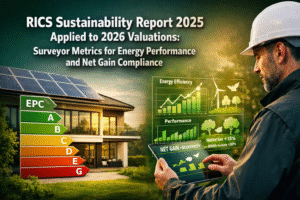

The surveying profession stands at a pivotal crossroads in 2026. With renewed mortgage lending activity, ambitious infrastructure projects, and sweeping regulatory reforms driving unprecedented demand for property professionals, the industry faces a critical challenge: where will tomorrow's surveyors come from? The Royal Institution of Chartered Surveyors (RICS) has responded with transformative changes to professional pathways and continuing professional development (CPD) requirements, creating fresh opportunities for firms to build robust talent pipelines. Understanding these reforms and implementing strategic recruitment and retention practices has never been more essential for surveying practices aiming to capitalize on the market volume surge.
The Talent Pipeline for Surveyors: RICS Pathways and CPD for 2026 Market Volume Surge represents more than administrative updates—it signals a fundamental shift in how the profession attracts, qualifies, and retains skilled professionals. This comprehensive guide explores the latest RICS pathway innovations, CPD framework enhancements, and actionable strategies for firms navigating this period of accelerated growth.
Key Takeaways
- 🎯 Three new RICS pathways launched in 2026—Retrofit Surveying, Sustainability Advisory, and Data Analytics—expand entry routes and address emerging market needs
- 📚 Revised CPD framework emphasizes artificial intelligence, environmental sustainability, and digital competencies for 130,000+ RICS members
- 🔄 New assessment resit policy caps attempts at four per grade, with a fifth opportunity after 12 months additional experience, raising professional standards
- 📈 2026 market surge driven by lending recovery and infrastructure investment demands strategic talent acquisition and retention planning
- ⚡ Firms must act now to recruit graduates, implement structured mentoring, and leverage digital CPD tools to remain competitive
Understanding the 2026 Market Context: Why Surveyor Demand is Surging
The surveying sector is experiencing a remarkable resurgence in 2026, driven by multiple converging factors. Mortgage lending has rebounded following the interest rate volatility of previous years, creating sustained demand for residential valuations and building surveyor services. Government infrastructure commitments, including housing development targets and retrofit programmes, have further amplified the need for qualified professionals across all surveying disciplines.
Market drivers creating surveyor demand in 2026:
- Residential property transactions returning to pre-pandemic volumes
- Commercial real estate recovery requiring valuation and dilapidation expertise
- Retrofit and sustainability mandates demanding specialist environmental knowledge
- Infrastructure investment in transport, utilities, and public buildings
- Regulatory compliance for building safety and energy performance standards
This confluence of factors has exposed a critical skills shortage within the profession. Many established surveyors are approaching retirement age, while graduate recruitment in previous years failed to keep pace with anticipated demand. The result is an urgent need for surveying firms to develop comprehensive talent strategies that attract new entrants, accelerate qualification pathways, and retain experienced professionals.
The Demographic Challenge
The surveying profession faces a demographic time bomb. Industry analysis suggests that approximately 30% of chartered surveyors will reach retirement age within the next decade, while graduate intake has remained relatively flat. This creates both a challenge and an opportunity: firms that invest strategically in talent development now will gain significant competitive advantage as market volumes continue to rise.
RICS Pathways Revolution: New Routes to Professional Qualification
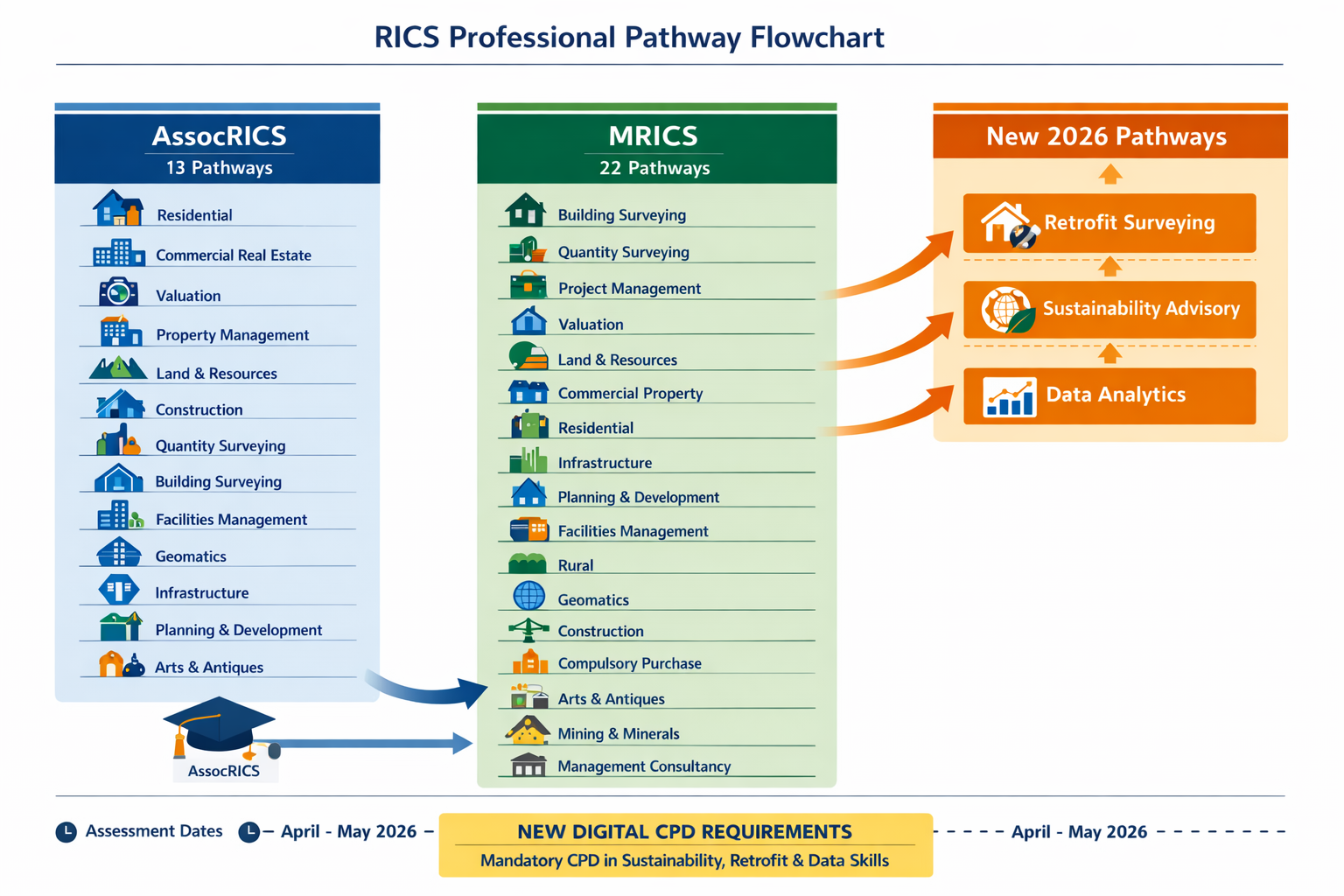
RICS has fundamentally transformed its qualification pathways to address the evolving needs of the built and natural environment sectors. The organization now offers 13 sector pathways for Associate qualification (AssocRICS) and 22 sector pathways for Chartered qualification (MRICS), providing unprecedented flexibility for professionals entering or advancing within the surveying field[2].
Three Groundbreaking New Pathways for 2026
In a landmark innovation programme, RICS has introduced three new professional pathways specifically designed to diversify entry into the profession and address emerging market demands[1]:
1. Retrofit Surveying (AssocRICS) 🏗️
This pathway responds directly to the UK's ambitious net-zero targets and the massive retrofit challenge facing existing building stock. Professionals qualifying through this route will specialize in:
- Energy efficiency assessments and improvement strategies
- Building fabric analysis and thermal performance evaluation
- Retrofit project management and coordination
- Grant funding and regulatory compliance for retrofit schemes
- Integration of renewable technologies into existing structures
The Retrofit Surveying pathway attracts professionals from diverse backgrounds including construction, energy management, and environmental science, bringing fresh perspectives to traditional surveying practices.
2. Sustainability Advisory (MRICS) 🌱
Positioned at the chartered level, this pathway recognizes sustainability as a core competency across all property sectors. Candidates develop expertise in:
- Environmental impact assessment and mitigation
- Sustainable development frameworks and certification (BREEAM, LEED)
- Climate risk analysis for property portfolios
- Circular economy principles in construction and demolition
- ESG (Environmental, Social, Governance) reporting for real estate
This pathway enables professionals with environmental science, planning, or sustainability backgrounds to achieve chartered status while working to RICS standards[1].
3. Data Analytics and Intelligence (MRICS) 📊
Currently at an earlier development stage, this forward-looking pathway acknowledges the transformative role of data science in property decision-making. Expected competencies include:
- Property market data modeling and forecasting
- Geographic Information Systems (GIS) for spatial analysis
- Artificial intelligence applications in valuation and risk assessment
- Big data management for portfolio optimization
- Predictive analytics for property performance
This pathway positions RICS at the forefront of PropTech innovation, attracting data scientists and technology professionals into the surveying ecosystem[1].
Legacy Pathway Transition
An important milestone occurred on 30 November 2025, when the legacy 2015 pathways officially closed[2]. This transition ensures all candidates now follow the updated, outcomes-based framework that better reflects contemporary professional practice. Candidates who commenced under previous pathways received transition support, but all new applications from December 2025 onward follow the current structure.
Choosing the Right Pathway
For firms building talent pipelines, understanding which pathway aligns with business needs and candidate backgrounds is crucial. The table below outlines key considerations:
| Pathway Type | Qualification Level | Ideal Candidate Background | Market Demand 2026 |
|---|---|---|---|
| Traditional Building Surveying | MRICS | Construction, architecture, civil engineering | Very High |
| Retrofit Surveying | AssocRICS | Energy management, building services, construction | Rapidly Growing |
| Sustainability Advisory | MRICS | Environmental science, planning, sustainability | High Growth |
| Valuation | MRICS | Economics, finance, property | Consistently High |
| Data Analytics | MRICS | Data science, technology, analytics | Emerging |
| Quantity Surveying | MRICS | Construction management, engineering | Very High |
Chartered surveyors across London are increasingly recognizing the value of these specialized pathways in addressing client needs around sustainability and digital transformation.
The New Assessment Framework: Raising Standards While Supporting Candidates
RICS has implemented significant changes to its assessment framework in 2026, balancing the need to maintain rigorous professional standards with practical support for candidates progressing toward qualification.
Assessment Resit Policy: A Structured Approach
The most notable change is the introduction of a resit cap limiting candidates to four assessment attempts per membership grade (both MRICS and AssocRICS)[3]. This structured framework was designed to:
- Encourage thorough preparation before attempting assessment
- Maintain the credibility and value of RICS qualifications
- Provide clear expectations for candidates and their employers
- Support quality over quantity in professional development
Key provisions of the resit policy:
✅ Candidates receive up to four attempts at final assessment per grade
✅ After four unsuccessful attempts, candidates become eligible for a fifth and final attempt after completing 12 months of additional structured experience[3]
✅ The cap does not apply to assessments sat prior to 1 January 2026[3]
✅ Candidates are strongly encouraged to work with APC Counsellors to review feedback before resubmitting[3]
"The revised assessment framework maintains the gold standard of RICS qualifications while providing candidates with clear pathways and appropriate support. Thorough preparation, quality mentoring, and structured experience remain the keys to success."
Assessment Timeline for 2026
For firms planning graduate development programmes, understanding the assessment calendar is essential. The Session 1 2026 Final Assessment interviews follow this schedule:
- Land and Property sector: Begins Monday 13 April 2026[6]
- Built Environment sector: Begins Monday 11 May 2026[6]
These dates allow firms to structure mentoring programmes, case study development, and preparation activities around clear deadlines.
Employment History and Experience Requirements
RICS has clarified minimum employment history requirements based on specific application routes[6]. These requirements ensure candidates demonstrate sufficient practical experience before attempting final assessment. Firms should verify that graduate recruits understand these requirements early in their development journey to avoid delays in qualification.
Critical documentation requirements:
- Summary of Experience: Comprehensive overview of professional development activities
- Case Study submissions: Detailed analysis of real projects demonstrating competency
- Supervisor verification: Confirmation of experience by qualified RICS professionals
- CPD records: Evidence of ongoing learning throughout the qualification period
For firms seeking expert surveyor advice on supporting candidates through these requirements, establishing relationships with experienced APC Counsellors proves invaluable.
The 2026 CPD Revolution: Upskilling for an AI and Sustainability-Driven Future
Perhaps the most transformative change affecting the Talent Pipeline for Surveyors: RICS Pathways and CPD for 2026 Market Volume Surge is the revised, flexible, outcomes-based CPD framework that took effect in January 2026[3]. This framework was shaped by extensive member consultation and approved by the RICS Standards and Regulation Board, reflecting genuine professional needs rather than bureaucratic requirements.
Core Priorities of the New CPD Framework
The framework explicitly prioritizes upskilling in three critical areas for RICS's 130,000+ members[3]:
1. Artificial Intelligence and Technology Integration 🤖
As AI transforms property valuation, risk assessment, and market analysis, surveyors must develop competencies in:
- Understanding AI-driven valuation models and their limitations
- Interpreting machine learning outputs for property assessment
- Integrating digital tools into traditional surveying workflows
- Ethical considerations in automated decision-making
- Cybersecurity and data protection in digital practice
The CPD framework encourages members to engage with technology not as a replacement for professional judgment but as an enhancement tool that improves accuracy, efficiency, and client service.
2. Environmental Sustainability and Climate Resilience 🌍
With climate change fundamentally reshaping property risk profiles and regulatory landscapes, surveyors require deep knowledge of:
- Climate adaptation strategies for existing building stock
- Flood risk assessment and mitigation planning
- Embodied carbon calculations and lifecycle analysis
- Green building certification systems and compliance
- Biodiversity net gain and natural capital valuation
This priority aligns perfectly with the new Retrofit Surveying and Sustainability Advisory pathways, creating a coherent professional development ecosystem.
3. Evolving Client Needs and Service Excellence 💼
Modern clients expect surveyors to provide strategic advisory services beyond traditional technical reports. The CPD framework emphasizes:
- Client relationship management and communication skills
- Business development and commercial awareness
- Interdisciplinary collaboration with architects, engineers, and planners
- Risk management and professional indemnity considerations
- Inclusive practice and accessibility in the built environment
Flexible, Outcomes-Based Learning
Unlike previous prescriptive CPD requirements, the 2026 framework adopts an outcomes-based approach that recognizes diverse learning methods:
Accepted CPD activities include:
- Formal courses and qualifications (online or in-person)
- Webinars and virtual conferences
- Technical reading and research
- Mentoring others (as mentor or mentee)
- Writing articles or presenting at events
- Participation in professional committees
- On-the-job learning through complex projects
- Peer learning and discussion groups
This flexibility acknowledges that professionals learn in different ways and at different career stages. A newly qualified surveyor might prioritize technical courses, while a senior practitioner might focus on thought leadership and mentoring.
Digital CPD Platforms and Tracking
RICS has invested significantly in digital infrastructure to support the new framework. Members can access:
- Online CPD portal for recording and tracking activities
- Digital learning library with curated content on priority topics
- Mobile applications for logging CPD on the go
- Automated reminders for compliance deadlines
- Competency gap analysis tools to identify development needs
For firms managing multiple staff members through qualification pathways, these digital tools significantly reduce administrative burden while ensuring compliance.
Strategic Talent Acquisition: Building Your Surveyor Pipeline
Understanding RICS pathways and CPD requirements provides the foundation, but firms must translate this knowledge into practical recruitment strategies. The Talent Pipeline for Surveyors: RICS Pathways and CPD for 2026 Market Volume Surge demands proactive, multi-channel approaches to talent acquisition.
University Partnerships and Graduate Recruitment
Establishing relationships with accredited surveying programmes remains the most reliable source of qualified entry-level talent. Effective strategies include:
🎓 Campus presence: Attend careers fairs, sponsor student societies, and deliver guest lectures
🎓 Placement programmes: Offer summer internships and year-in-industry opportunities
🎓 Scholarship schemes: Provide financial support to promising students in exchange for employment commitments
🎓 Course involvement: Collaborate with universities on curriculum development and practical projects
🎓 Alumni networks: Leverage existing employees' university connections for referrals
Apprenticeship and School Leaver Programmes
Not all talent enters through traditional university routes. Degree apprenticeships and school leaver programmes offer alternative pathways that combine practical experience with academic qualification:
Advantages of apprenticeship routes:
- Candidates develop firm-specific knowledge from day one
- "Earn while you learn" model attracts diverse socioeconomic backgrounds
- Longer-term commitment often results in higher retention rates
- Government funding may offset training costs
- Apprentices bring fresh perspectives unencumbered by academic orthodoxy
Firms in locations like Hertfordshire, Berkshire, and Oxfordshire have successfully developed apprenticeship programmes in partnership with local colleges and training providers.
Career Changers and Cross-Industry Recruitment
The new RICS pathways—particularly Retrofit Surveying, Sustainability Advisory, and Data Analytics—explicitly target professionals from adjacent industries. Firms should consider:
- Construction professionals seeking formal qualifications
- Energy assessors transitioning to comprehensive retrofit expertise
- Environmental consultants moving into property-focused sustainability
- Data analysts from financial services or technology sectors
- Project managers from engineering or infrastructure backgrounds
These career changers bring valuable transferable skills and diverse perspectives that enrich traditional surveying practices.
Employer Branding and Value Proposition
In a competitive talent market, firms must articulate compelling reasons for candidates to choose them. Effective employer value propositions for surveyors include:
💡 Structured APC support with dedicated counsellors and study leave
💡 CPD investment including course fees, conference attendance, and learning time
💡 Career progression pathways with transparent promotion criteria
💡 Work-life balance including flexible working and wellbeing support
💡 Interesting project portfolio across diverse sectors and geographies
💡 Technology investment providing access to cutting-edge tools and platforms
💡 Professional network through RICS membership and industry connections
Firms operating across multiple locations—from North London to South West London—can leverage geographic diversity as part of their value proposition, offering candidates varied project exposure.
Retention Strategies: Keeping Your Qualified Surveyors

Recruiting talent represents only half the equation; retaining qualified professionals proves equally critical to maintaining a robust talent pipeline. The surveying sector faces significant retention challenges, with qualified professionals frequently recruited by competitors or tempted by client-side roles.
Structured Mentoring and Professional Development
The revised RICS framework emphasizes mentoring as a core CPD activity, creating mutual benefits for mentors and mentees. Effective mentoring programmes include:
For APC candidates:
- Assigned counsellor from day one of employment
- Monthly one-to-one meetings to review progress and challenges
- Case study workshops where candidates present draft submissions for feedback
- Mock interview practice before final assessment
- Peer support groups connecting candidates at similar stages
For qualified professionals:
- Continuing mentorship beyond initial qualification
- Specialist development in emerging areas like retrofit or data analytics
- Leadership coaching for those progressing to management roles
- Reverse mentoring where junior staff share digital skills with senior colleagues
Competitive Compensation and Benefits
While professional development matters enormously, financial considerations remain fundamental to retention. Surveying firms should benchmark compensation against:
- Market rates for qualified professionals in their geographic area
- Sector variations between residential, commercial, and specialist surveying
- Experience levels with clear salary progression frameworks
- Qualification milestones with meaningful increases upon achieving AssocRICS or MRICS
Beyond base salary, consider:
🏆 Performance bonuses tied to individual and firm success
🏆 Profit sharing for senior professionals
🏆 Professional subscriptions covered by employer (RICS, specialist bodies)
🏆 Private healthcare and enhanced pension contributions
🏆 Car allowances or company vehicles for site-intensive roles
🏆 Technology packages including laptops, tablets, and software
Flexible Working and Work-Life Integration
The 2026 workforce expects flexibility as standard, not as a benefit. Progressive surveying firms offer:
- Hybrid working models balancing office collaboration with remote productivity
- Flexible hours accommodating personal commitments and peak productivity times
- Compressed work weeks (e.g., four longer days instead of five standard days)
- Enhanced parental leave beyond statutory minimums
- Sabbatical opportunities for long-serving professionals
- Wellbeing initiatives including mental health support and fitness subsidies
Site-based surveying work inherently requires physical presence, but administrative tasks, report writing, and client meetings can often be conducted remotely. Firms that embrace this reality attract and retain talent more effectively than those clinging to outdated presenteeism cultures.
Career Progression and Specialization Opportunities
Talented surveyors need visible pathways to advancement. Firms should provide:
Technical progression:
- Junior Surveyor → Surveyor → Senior Surveyor → Principal Surveyor → Technical Director
- Specialization options in valuation, building surveying, project management, or emerging fields
- Opportunities to develop niche expertise (e.g., heritage buildings, sustainability, dilapidations)
Management progression:
- Team Leader → Department Manager → Associate Director → Partner/Director
- Leadership development programmes preparing technical professionals for management roles
- Business development training and client relationship responsibilities
Alternative pathways:
- Technical specialist roles for those who prefer deep expertise over management
- Innovation and technology positions driving digital transformation
- Training and development roles for those passionate about mentoring
Firms with operations spanning diverse areas—from Putney to Guildford—can offer geographic mobility as a career development opportunity, exposing professionals to different market conditions and property types.
Leveraging Technology to Scale Your Talent Pipeline
Digital tools and platforms enable surveying firms to recruit, develop, and retain talent more effectively than ever before. The Talent Pipeline for Surveyors: RICS Pathways and CPD for 2026 Market Volume Surge intersects perfectly with technological innovation.
Digital Learning Platforms
Modern learning management systems (LMS) allow firms to:
- Curate content libraries with technical resources, case studies, and best practices
- Track CPD completion automatically, ensuring compliance with RICS requirements
- Deliver microlearning through short, focused modules accessible on mobile devices
- Assess knowledge through quizzes and competency checks
- Facilitate peer learning via discussion forums and collaborative projects
Leading platforms integrate with RICS systems, automatically updating member CPD records and reducing administrative overhead.
Virtual and Augmented Reality for Training
Innovative firms are deploying VR and AR technologies for:
- Site safety training in risk-free virtual environments
- Building pathology education examining defects in 3D models
- Client presentation skills practicing in simulated meeting scenarios
- Heritage building analysis exploring historical structures remotely
- Retrofit planning visualizing energy efficiency interventions
These technologies prove particularly valuable for geographically dispersed teams or candidates unable to access certain building types regularly.
AI-Powered Recruitment and Matching
Artificial intelligence streamlines talent acquisition through:
- CV screening identifying candidates with relevant qualifications and experience
- Candidate matching aligning applicant skills with role requirements
- Interview scheduling automating coordination across multiple stakeholders
- Sentiment analysis evaluating candidate engagement and cultural fit
- Predictive analytics forecasting retention likelihood and development trajectories
While AI enhances efficiency, human judgment remains essential—particularly in assessing professional competencies and cultural alignment.
Collaboration Tools for Remote Mentoring
Cloud-based platforms facilitate effective mentoring regardless of physical location:
- Video conferencing for regular one-to-one meetings
- Document collaboration for reviewing case studies and reports in real-time
- Project management tools tracking APC progress against milestones
- Instant messaging enabling quick questions and informal support
- Screen sharing for technical demonstrations and software training
These tools prove invaluable for firms with multiple offices or professionals working across different locations, from Esher to Watford.
Preparing for the Assessment Journey: Supporting Candidates to Success
Firms investing in graduate recruitment and APC candidates must provide comprehensive support throughout the qualification journey. Understanding the assessment process and common pitfalls enables more effective mentoring.
The APC Journey: Key Milestones
Typical timeline for MRICS qualification:
| Stage | Duration | Key Activities | Support Required |
|---|---|---|---|
| Enrollment | Month 1 | Register with RICS, assign counsellor | Administrative support, orientation |
| Foundation Period | Months 1-12 | Develop core competencies, begin CPD | Regular meetings, technical training |
| Development Period | Months 13-24 | Deepen specialist knowledge, draft case study | Project allocation, case study review |
| Final Preparation | Months 22-24 | Complete documentation, interview practice | Mock assessments, feedback sessions |
| Final Assessment | Month 24+ | Submit documentation, attend interview | Time off for preparation, emotional support |
Common Pitfalls and How to Avoid Them
Documentation quality issues:
❌ Problem: Generic, superficial case studies lacking technical depth
✅ Solution: Encourage candidates to select complex, challenging projects and provide detailed analysis demonstrating professional judgment
❌ Problem: Summary of Experience reads like a job description rather than personal development narrative
✅ Solution: Guide candidates to reflect on learning, challenges overcome, and competency development
❌ Problem: Inadequate evidence of CPD activities
✅ Solution: Implement monthly CPD logging as standard practice, not a last-minute exercise
Interview preparation gaps:
❌ Problem: Candidates struggle to articulate technical concepts clearly
✅ Solution: Conduct regular technical presentations to build communication skills
❌ Problem: Inability to defend professional decisions under questioning
✅ Solution: Use Socratic questioning in mentoring sessions to develop critical thinking
❌ Problem: Nervousness and poor performance under pressure
✅ Solution: Arrange multiple mock interviews with different assessors to build confidence
Creating a Supportive Assessment Culture
Firms with strong qualification success rates share common characteristics:
🌟 Normalized failure: Recognize that setbacks are learning opportunities, not career-ending disasters
🌟 Transparent expectations: Clearly communicate what success looks like at each stage
🌟 Adequate time allocation: Provide protected time for case study development and study
🌟 Peer support networks: Connect candidates with recently qualified colleagues who understand the journey
🌟 Celebration of achievement: Publicly recognize and reward successful qualification
Sector-Specific Considerations for Talent Development
Different surveying disciplines face unique talent challenges and opportunities within the broader Talent Pipeline for Surveyors: RICS Pathways and CPD for 2026 Market Volume Surge.
Residential Building Surveying
Market drivers: Sustained transaction volumes, building safety regulations, retrofit requirements
Talent needs: Graduates with construction technology knowledge, practical site experience, strong client communication skills
Development focus: Building pathology, defect diagnosis, report writing, client advisory skills
Retention challenges: High demand creates competitive recruitment; client-side roles attractive to experienced professionals
Firms offering building surveyor services across residential markets should emphasize project diversity and technical development in their value propositions.
Commercial Property and Valuation
Market drivers: Investment market recovery, ESG requirements, portfolio rebalancing
Talent needs: Analytical thinkers with financial acumen, market knowledge, and commercial awareness
Development focus: Valuation methodology, investment analysis, market research, negotiation skills
Retention challenges: Financial services and institutional investors compete for talent with higher compensation
Understanding RICS valuation costs and pricing strategies helps firms remain competitive while maintaining quality standards.
Retrofit and Sustainability Specialists
Market drivers: Net-zero targets, energy efficiency regulations, green building certifications
Talent needs: Environmental science graduates, energy assessors, construction professionals seeking specialization
Development focus: Building physics, renewable technologies, retrofit coordination, grant funding mechanisms
Retention challenges: Rapidly growing field with limited qualified professionals; consultancies and public sector compete for talent
The new Retrofit Surveying pathway creates opportunities to formalize and professionalize this emerging discipline.
Data Analytics and PropTech
Market drivers: Digital transformation, automated valuation models, portfolio optimization tools
Talent needs: Data scientists, software developers, analysts with property market interest
Development focus: Statistical modeling, programming languages (Python, R), GIS systems, machine learning applications
Retention challenges: Technology sector offers higher compensation; property industry perceived as less innovative
Firms investing in technology and offering intellectually stimulating projects can attract talent from adjacent sectors.
Measuring Success: KPIs for Talent Pipeline Management
Effective talent strategies require measurement and continuous improvement. Firms should track:
Recruitment Metrics
📊 Time to hire: Days from vacancy posting to offer acceptance
📊 Cost per hire: Total recruitment expenses divided by number of hires
📊 Application quality: Percentage of applicants meeting minimum requirements
📊 Offer acceptance rate: Percentage of offers accepted versus declined
📊 Source effectiveness: Which channels (universities, job boards, referrals) yield best candidates
Development Metrics
📊 APC success rate: Percentage of candidates passing final assessment on first attempt
📊 Average time to qualification: Months from enrollment to MRICS/AssocRICS achievement
📊 CPD compliance: Percentage of members meeting annual CPD requirements
📊 Training investment per employee: Annual spend on professional development
📊 Internal promotion rate: Percentage of vacancies filled by internal candidates
Retention Metrics
📊 Overall turnover rate: Percentage of workforce leaving annually
📊 Regrettable turnover: Percentage of high-performers leaving
📊 Tenure analysis: Average length of service by role and level
📊 Exit interview insights: Common themes in departure reasons
📊 Retention by cohort: Comparison across different recruitment channels or programmes
Business Impact Metrics
📊 Revenue per surveyor: Total fee income divided by qualified professionals
📊 Utilization rates: Percentage of available time spent on chargeable work
📊 Client satisfaction: Feedback scores specifically mentioning surveyor performance
📊 Market share growth: Correlation between talent investment and business expansion
📊 Innovation metrics: New services or capabilities enabled by talent development
Regular review of these metrics enables data-driven decision-making about talent strategies and resource allocation.
Regional Considerations: Talent Availability Across Different Markets

Geographic location significantly impacts talent availability and competition. Firms should adapt strategies to local market conditions.
London and Major Urban Centers
Advantages: Large graduate pools, diverse candidate backgrounds, strong transport links
Challenges: Intense competition from large firms, high cost of living affects compensation expectations, retention difficult due to opportunity abundance
Strategies: Emphasize project diversity, career progression, and cultural differentiation; consider flexible working to expand geographic recruitment reach
Practices operating across West London, South East London, and central areas face particularly competitive talent markets.
Commuter Belt and Regional Centers
Advantages: Lower cost of living, quality of life appeal, less competition from large firms
Challenges: Smaller graduate pools, candidates may prefer London opportunities, limited public transport affects accessibility
Strategies: Partner with regional universities, emphasize work-life balance and community, offer competitive compensation relative to local costs
Firms in locations like Leatherhead, Epsom, and Harpenden can leverage quality of life advantages.
Rural and Remote Areas
Advantages: Unique project types (rural estates, agricultural land), close-knit professional communities, lifestyle appeal
Challenges: Very limited local talent pools, difficulty attracting graduates, professional isolation
Strategies: Develop strong remote working capabilities, recruit from urban areas with flexible arrangements, invest heavily in technology to overcome isolation
Future-Proofing Your Talent Strategy: Looking Beyond 2026
While addressing immediate 2026 market demands, forward-thinking firms should anticipate longer-term trends shaping the surveying profession.
Emerging Competencies for the 2030s
Climate adaptation and resilience: As climate change accelerates, surveyors will increasingly advise on flood risk, overheating, and adaptation strategies
Circular economy and materials: Understanding material lifecycles, reuse potential, and embodied carbon will become standard competencies
Digital twins and building data: Integration of IoT sensors, building information modeling (BIM), and real-time performance data
Social value and community impact: Beyond financial valuation, assessing developments' social and community benefits
Biodiversity and natural capital: Valuing ecosystem services and integrating nature-based solutions into development
The Evolving Role of AI and Automation
Rather than replacing surveyors, AI will augment professional capabilities:
- Automated data gathering: Drones, sensors, and computer vision reducing manual measurement
- Predictive maintenance: AI identifying potential defects before they become critical
- Market analysis: Machine learning processing vast datasets to identify trends
- Risk assessment: Automated evaluation of flood, fire, and structural risks
- Report generation: AI drafting initial reports for professional review and refinement
Surveyors who develop AI literacy—understanding capabilities, limitations, and ethical implications—will thrive in this evolving landscape.
Diversity and Inclusion as Competitive Advantage
The surveying profession has historically struggled with diversity across gender, ethnicity, and socioeconomic background. Progressive firms recognize that diverse teams:
- Generate more innovative solutions to complex problems
- Better understand diverse client needs and perspectives
- Attract broader talent pools in competitive markets
- Demonstrate social responsibility and modern values
Practical diversity initiatives include:
🤝 Targeted outreach to underrepresented groups in schools and universities
🤝 Blind CV screening to reduce unconscious bias
🤝 Flexible working arrangements supporting caregivers
🤝 Mentoring programmes specifically for underrepresented professionals
🤝 Transparent pay structures addressing gender and ethnicity pay gaps
🤝 Inclusive language in job descriptions and marketing materials
Conclusion: Seizing the 2026 Opportunity Through Strategic Talent Investment
The Talent Pipeline for Surveyors: RICS Pathways and CPD for 2026 Market Volume Surge represents both a significant challenge and an extraordinary opportunity for surveying firms. Market conditions have aligned to create unprecedented demand for qualified professionals, while RICS has simultaneously modernized qualification pathways and CPD requirements to better serve contemporary needs.
Firms that approach talent strategically—investing in recruitment, development, and retention—will capture disproportionate market share as volumes surge. Those that treat talent as an afterthought will struggle to deliver quality service and risk losing ground to more forward-thinking competitors.
The evidence is compelling: new pathways in Retrofit Surveying, Sustainability Advisory, and Data Analytics expand the talent pool beyond traditional sources[1]. The revised CPD framework emphasizing AI, sustainability, and client needs ensures professionals remain relevant in a rapidly evolving market[3]. The structured assessment approach with clear resit policies maintains professional standards while supporting candidate success[3].
Actionable Next Steps for Surveying Firms
Immediate actions (next 30 days):
- Audit current talent pipeline: Assess graduate recruitment, APC candidates in progress, and anticipated retirements
- Review RICS pathway alignment: Ensure recruitment and development programmes align with new pathway structures
- Appoint CPD champions: Designate individuals responsible for supporting team members with 2026 framework compliance
- Benchmark compensation: Research market rates and adjust packages to remain competitive
- Strengthen university relationships: Contact surveying programmes about placement and recruitment opportunities
Medium-term actions (next 3-6 months):
- Develop structured mentoring programme: Formalize APC support with clear responsibilities and time allocation
- Invest in digital learning platforms: Implement systems for CPD tracking and content delivery
- Create career progression frameworks: Document transparent pathways for technical and management advancement
- Enhance employer branding: Refresh website, social media, and recruitment materials to attract modern talent
- Pilot flexible working arrangements: Test hybrid models and gather feedback for broader implementation
Strategic actions (next 6-12 months):
- Establish apprenticeship programme: Partner with training providers to develop earn-while-you-learn pathways
- Build specialization capabilities: Develop expertise in emerging areas like retrofit, sustainability, or data analytics
- Implement retention initiatives: Launch enhanced benefits, wellbeing support, and recognition programmes
- Develop thought leadership: Publish insights, speak at conferences, and raise firm profile to attract talent
- Create succession planning: Identify high-potential individuals and prepare them for leadership roles
The surveying profession stands at an inflection point. Firms that recognize talent as their most valuable asset—and invest accordingly—will thrive throughout the 2026 market surge and beyond. Those that delay will find themselves unable to capitalize on opportunities as they arise.
The pathway forward is clear: embrace the new RICS frameworks, invest in comprehensive talent strategies, and build the diverse, skilled, and motivated workforce that tomorrow's property market demands. The Talent Pipeline for Surveyors: RICS Pathways and CPD for 2026 Market Volume Surge is not merely an administrative challenge—it's the foundation upon which successful surveying practices will be built for decades to come.
References
[1] Exploring New Professional Pathways Rics Membership – https://www.rics.org/join-rics/sector-pathways/exploring-new-professional-pathways-rics-membership
[2] Sector Pathways – https://www.rics.org/join-rics/sector-pathways
[3] Rics Updates Assessment Framework With New Resit Policy – https://www.rics.org/news-insights/rics-updates-assessment-framework-with-new-resit-policy
[4] Surveyor Talent Pipeline And Training Preparing The Next Generation For 2026 Market Growth – https://nottinghillsurveyors.com/blog/surveyor-talent-pipeline-and-training-preparing-the-next-generation-for-2026-market-growth
[6] rics – https://www.rics.org/candidates/assessment-information/assessment-applications/uk